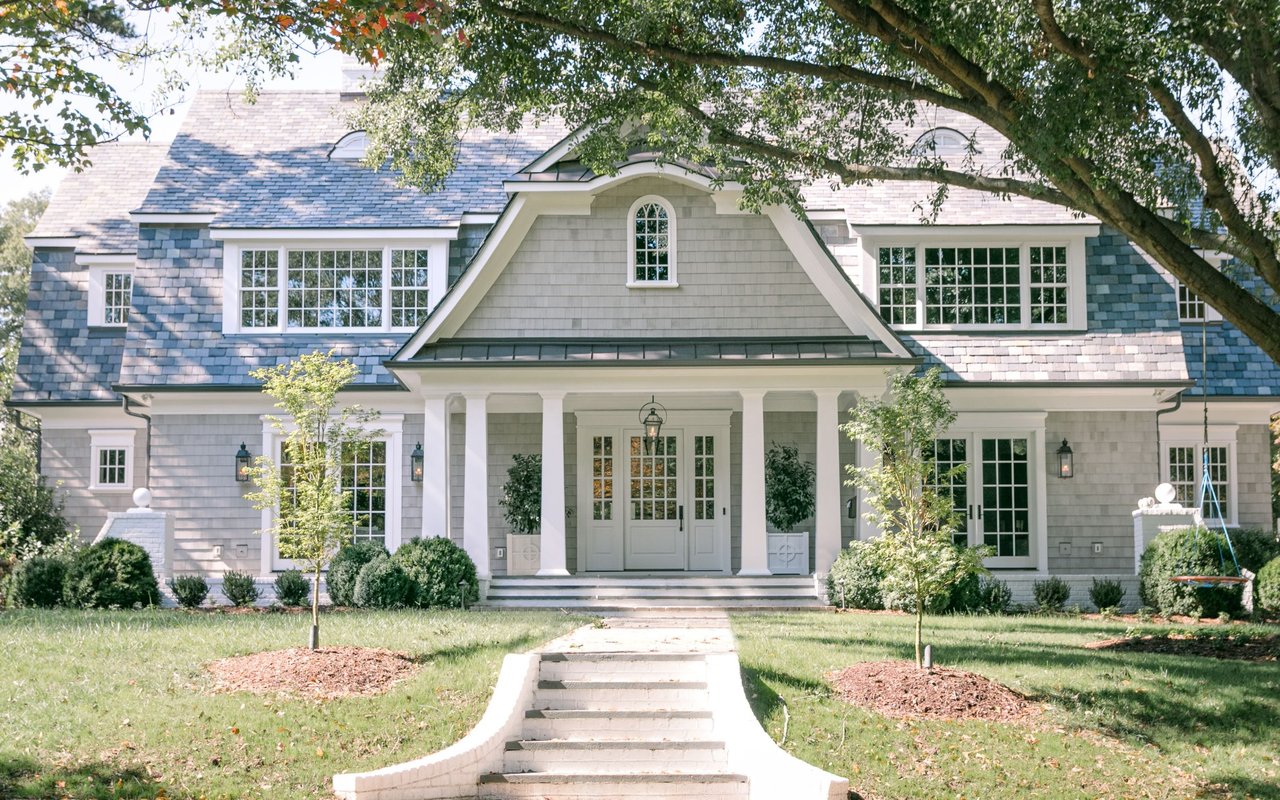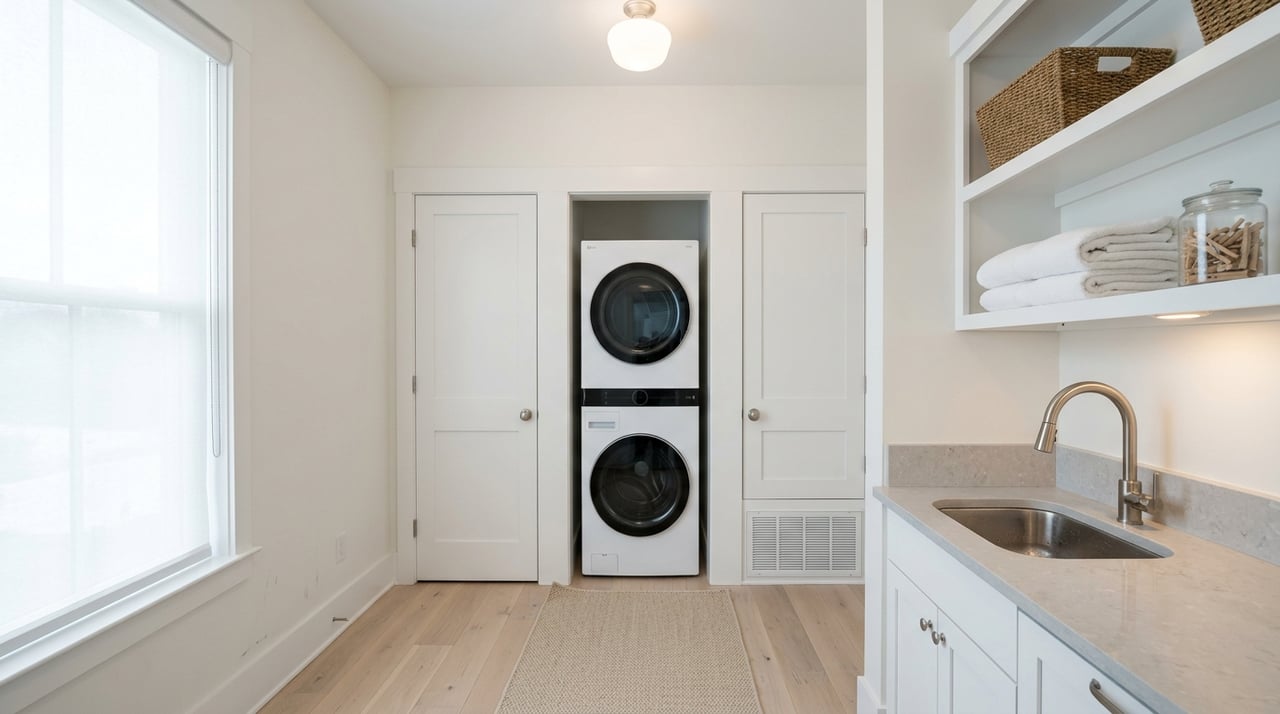
Owning a vacation rental in Nags Head can look simple from the outside: buy a beach house, book the summer weeks, and let the income roll in. In reality, successful ownership is much more hands-on than that. If you are thinking about buying a rental property or already own one in Nags Head, it helps to understand the seasonality, rules, costs, and guest expectations that shape the experience. Let’s dive in.
Why Nags Head Attracts Vacation Rental Owners
Nags Head benefits from the strength of the larger Dare County tourism economy. According to the Outer Banks Visitors Bureau, visitor spending in Dare County topped $2.1 billion in 2024, supported 12,260 jobs, and generated more than $147.1 million in state and local tax revenue. That level of visitor activity helps explain why vacation rentals remain such an important part of the local housing market.
That said, demand is strong, not automatic. The same tourism picture also shows a market that depends heavily on seasonal travel, especially summer beach demand. For owners, that means your results often depend on how well your home is positioned, priced, and maintained throughout the year.
Expect a Seasonal Income Pattern
One of the biggest adjustments for first-time owners is learning that revenue is usually concentrated in a relatively short window. Monthly lodging data for the Outer Banks show the strongest occupancy in June through August, followed by a noticeable drop in late fall and winter. Countywide occupancy updates listed 68.4% in September 2025, 52.4% in October 2025, and 27.0% in December 2025.
The takeaway is simple: you should expect a beach-market calendar, not a flat year-round booking pattern. Summer often does the heavy lifting, while shoulder season performance depends more on pricing strategy, marketing, and how appealing your property is for shorter getaways or family trips outside peak weeks.
The broader outlook also supports a realistic mindset. The 2025 Outer Banks lodging forecast projected 0.7% revenue growth in 2025 after a 4.8% decline in 2024. That points to a stable market, but not one where you should assume every year will beat the last.
Understand the Local Rental Rules
Before you focus on bookings, you need to understand how short-term rental compliance works in Nags Head. The town states that residential short-term rentals are allowed in every zoning district, which gives owners broad flexibility across the market. You can review the town’s rules and registration details on the Nags Head short-term rental page.
The town distinguishes between whole-house rentals and partial-house rentals. Partial-house rentals are limited to two guest rooms and require one additional parking space beyond the normal requirement. Each separate property must be registered annually by September 1, and the registration materials ask for a local contact and whether liability insurance is in effect.
Nags Head also notes that most short-term rentals are likely subject to the North Carolina Vacation Rental Act. The town explains that state law defines a vacation rental as residential property rented for fewer than 90 days. If you plan to self-manage, it is important to remember that compliance is part of the job, not a side detail.
Plan for Taxes and Carrying Costs
A Nags Head vacation rental can generate income, but it also comes with ongoing costs that owners need to budget for carefully. On the tax side, Dare County applies a 6% occupancy tax to gross receipts from transient lodging, including private residences and cottages rented to transients. The county notes that the tax generally does not apply to private residences or cottages rented for fewer than 15 days in a calendar year or to stays by the same person for 90 or more continuous days. You can review those details on the Dare County occupancy tax page.
In addition, Dare County’s sales and use tax rate is 6.75%, and Nags Head’s FY 2025-26 property tax rate is $0.2320 per $100 of value. The town also notes that owners in Nags Head receive two separate property tax bills each year, one from Dare County and one from the town. That surprises some first-time owners, so it is worth building into your cash flow planning early.
Your true carrying cost is also bigger than mortgage and taxes. In a coastal market like Nags Head, insurance, maintenance, and resilience-related expenses are part of normal ownership.
Coastal Risk Is Part of Ownership
Nags Head is a beach town, and that comes with real environmental exposure. The town’s flood protection information notes that Nags Head includes AE and VE Special Flood Hazard Areas and faces flood threats from hurricanes, winter storms, and seasonal high tides. The town also makes clear that a standard homeowners policy does not cover flood losses.
For you as an owner, this means flood insurance and property upkeep are not optional afterthoughts. They are part of the operating baseline. Over time, you may also need to budget for items such as exterior wear, storm-related repairs, drainage issues, or other maintenance that tends to come with a coastal home.
The town also describes itself as a vulnerable coastal community that has been planning for sea-level rise and shoreline migration. For buyers and owners alike, that is a reminder to think long term about location, construction, insurance, and reserves.
Guests Expect a Beach-Ready Experience
In Nags Head, the guest experience starts with access to the beach, but it does not end there. The town’s public beach access page highlights numerous access points, seasonal lifeguards, and beach wheelchair availability. Guests often arrive expecting a beach vacation that is easy to use and easy to enjoy.
At the same time, Nags Head has clear beach rules. Beach driving is allowed only from October 1 through April 30 with a town permit for eligible vehicles. Dogs must be leashed, waste must be cleaned up, and beach pit fires require a permit and are allowed only when conditions permit. Owners and managers should be ready to answer those practical questions because they directly affect the guest stay.
The destination also offers more than oceanfront time. Official tourism information highlights attractions such as Jockey’s Ridge State Park, Bodie Island Lighthouse, fishing piers, and soundside recreation. That broader appeal helps explain why many guests look for homes that work well for families and groups planning a mix of beach time and local activities.
Convenience Often Matters More Than Luxury
In many beach markets, owners assume upscale finishes alone will drive stronger results. In practice, Nags Head guests often respond just as strongly to convenience and functionality. Based on how local vacation rental companies market homes and owner services, features like linens, beach gear, clear photography, larger gathering spaces, and easy-to-use layouts can have a real impact on appeal.
That is especially true for families and multi-generational groups. A home that makes check-in easy, sleeps people comfortably, and supports shared time together can often compete better than a home with expensive updates but more friction. For many owners, the smartest upgrades are the ones that reduce hassle for guests.
Choose the Right Management Style
Most owners in Nags Head land in one of three camps: self-management, full-service management, or a hybrid approach. There is no one-size-fits-all answer. The right fit depends on how involved you want to be, how close you live to the property, and how comfortable you are handling guest communication, vendors, compliance, and turnover issues.
The service menus described by local managers offer a useful benchmark for what full-service management often includes in this market. Typical offerings include guest services, housekeeping coordination, inspections, dynamic pricing, photography, maintenance coordination, owner reporting, accounting, and local support. In a seasonal beach market, those systems can make a meaningful difference.
If you self-manage, the operational burden still stays with you. The town’s registration form requires a local contact and liability insurance disclosure, and state vacation-rental rules involve notice and deposit-handling requirements. The same materials also point to additional reporting and training obligations tied to human-trafficking procedures for certain property managers, employees, or contractors connected to vacation rentals.
In other words, management is about much more than filling a calendar. It is about response time, documentation, readiness, and protecting the guest experience while keeping the property compliant.
Expect Ongoing Operational Decisions
Vacation rental ownership in Nags Head is not a set-it-and-forget-it investment. Even in strong years, you will likely make regular decisions about pricing, maintenance timing, amenity updates, and vendor coordination. That is part of owning in a seasonal, weather-exposed market where guest expectations can shift quickly.
You should also stay aware of local projects that could affect access or perception. For example, Nags Head says a beach nourishment project is scheduled for summer 2026, with work expected between May and August 2026 in phases depending on weather and equipment. During periods like that, owners may need to answer guest questions about beach access, construction visibility, and timing.
This does not mean rental ownership is a bad fit. It means the best outcomes usually come from realistic planning, strong local support, and a property that is easy for guests to enjoy.
What Smart Owners Usually Do
If you want a more predictable ownership experience in Nags Head, a few habits tend to matter most:
- Build a seasonal budget that assumes summer will carry most of the year
- Plan for taxes and insurance early so there are fewer surprises
- Keep a repair and reserve fund for coastal maintenance needs
- Make the home easy to use for families and group stays
- Review local rules every year before registration deadlines
- Choose management support carefully based on responsiveness and local capacity
A Nags Head vacation rental can be both enjoyable and financially rewarding, but it usually works best when you treat it like an actively managed asset. If you are weighing a purchase, reviewing your current property, or trying to understand how a home might perform in the Outer Banks rental market, Corolla Real Estate offers local, relationship-driven guidance backed by real vacation-rental experience.
FAQs
What should you expect from vacation rental seasonality in Nags Head?
- You should expect the strongest demand in summer, with occupancy typically dropping in late fall and winter, which makes pricing and planning outside peak months especially important.
What short-term rental rules apply to properties in Nags Head?
- Nags Head requires annual registration for each short-term rental property by September 1, allows short-term rentals in every zoning district, and has added rules for partial-house rentals, parking, local contact information, and insurance disclosure.
What taxes do vacation rental owners pay in Nags Head?
- Owners may need to account for Dare County’s 6% occupancy tax on transient lodging, the 6.75% sales and use tax rate, and separate property tax bills from both Dare County and the Town of Nags Head.
What do guests usually want from a Nags Head vacation rental?
- Guests often want an easy beach-centered stay with convenient access, clear house rules, and practical features that work well for families or groups, including comfortable shared spaces and a simple, low-friction setup.
What costs should you budget for with a Nags Head rental home?
- Beyond your mortgage, you should budget for property taxes, occupancy-related tax handling, flood insurance, regular maintenance, and reserves for storm exposure and coastal wear.
What management options do owners have for vacation rentals in Nags Head?
- Most owners choose between self-managing, hiring a full-service local manager, or using a hybrid setup, with the best option depending on how much time, local support, and operational oversight you want to provide.