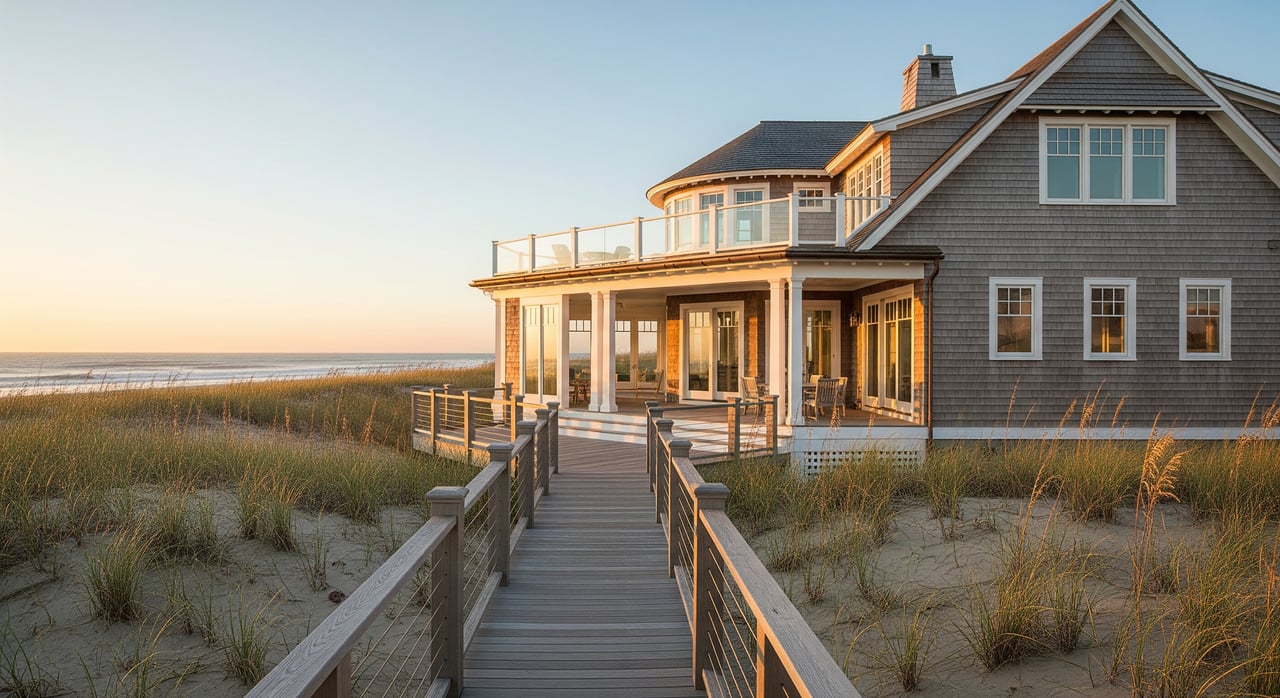
Picture a place where your morning could be a beach walk on the Atlantic and your evening a calm paddle on the sound. If you want a quieter coastal lifestyle without losing access to everyday conveniences, Southern Shores may belong on your shortlist. In this guide, you’ll learn what daily life looks like, how the housing options compare, and the key details to check before you buy. Let’s dive in.
Why Southern Shores stands out
Southern Shores sits between Kitty Hawk and Duck on the northern Outer Banks. You get both oceanfront and soundside shoreline, which means more ways to enjoy the water in every season.
The town feels residential and low key. It has a mix of classic cottages and newer homes, and it stays calmer than busier resort centers. Summer brings more visitors and activity, while the off-season is quiet for year-round owners.
If you want neighborhood-style coastal living with easy access to both ocean and sound, Southern Shores hits that balance.
Day-to-day living
Beach and sound access
You can reach the Atlantic beaches through town-maintained access points, and you’ll find soundside spots for kayaking, paddleboarding, fishing, and boating. If calm water is your style, the sound is a standout. When you tour homes, note the distance to the nearest beach path, boat ramp, or park that matches how you plan to use the property.
Recreation and nature
Daily life leans outdoors. Walking, cycling, surf fishing, birding, and paddle sports are common. Flat terrain and sheltered streets make biking practical for short trips. You’re also a short drive from well-known OBX sites and maritime forests for wildlife viewing and day trips.
Walkability and services
Southern Shores is primarily residential. You’ll do most errands by car, with restaurants, groceries, and retail a short drive away. Walkability varies by neighborhood, so check for sidewalks, lighting, and how far you’ll be from the beach or services you’ll want on foot.
Schools and health care
Public schools are served by Dare County Schools. If schools are part of your decision, verify the assignment for the exact address you’re considering. For health care, you’ll find urgent care and physician offices on the island, with full-service hospitals typically on the mainland. If you plan to live here year-round, map out drive times to emergency services.
Community and civic life
Local government and neighborhood groups help maintain beaches, parks, and rights-of-way. Seasonal events pick up in summer, while the off-season brings a quieter rhythm. If you enjoy volunteering or participating in local associations, you’ll find options to plug in.
Home options and what to expect
Property types and tradeoffs
You’ll see three common choices:
- Oceanfront: Immediate beach access and views, with higher exposure to wind and salt.
- Soundfront: Tranquil water, sunsets, and calm-water recreation right out your back door.
- Interior lots: Often more protected settings and sometimes more affordable, with a short drive or bike ride to the beach.
Match the property type to your lifestyle. If you plan to host family beach weeks, oceanfront convenience may be worth the premium. If you picture evening paddles and quiet mornings, soundfront could be the better fit.
Rental potential and rules
Vacation rentals are a major part of the Outer Banks. If you’re buying a second home, rental income can offset carrying costs. Local short-term rental rules can change, so confirm current ordinances, any permitting, occupancy limits, and registration requirements before you buy. Seasonality matters for rates and occupancy, so compare similar properties across peak and shoulder months.
Insurance, elevation, and storm risk
Barrier-island living means you should plan for flood and wind risk. If you’re financing, flood insurance is commonly required in FEMA flood zones. Review these items during due diligence:
- FEMA flood maps and the property’s elevation certificate
- The home’s proximity to dune systems and open water
- Any known erosion or flood-claim history
- Coverage for wind and hurricane damage, plus coastal endorsements
These factors influence both premiums and long-term resilience. Higher elevation and strong dune protection can make a real difference.
Utilities and maintenance
Salt air, wind, and humidity increase maintenance needs. Budget for more frequent exterior paint, roof and decking checks, HVAC service, and proactive pest prevention. Utilities differ by location, so verify whether the home uses municipal water or well, and sewer or septic. System type affects upkeep, inspections, and sometimes financing.
Taxes, HOA, and carrying costs
Property taxes and HOA dues vary by neighborhood. Some areas include private beach accesses, piers, or road maintenance that come with assessments. Build a full picture of ownership costs that includes:
- Property taxes
- Flood and wind insurance
- HOA dues, if any
- Utilities
- Property management fees if you plan to rent
- Routine and seasonal maintenance
Financing considerations
Coastal properties can require lenders with island experience. You may see higher down payment requirements and underwriting that focuses on hazard coverage. Appraisals often use seasonal comparables in markets with many short-term rentals, so choose partners who understand the Outer Banks.
How it compares nearby
- Duck: A resort-style village with a walkable boardwalk district, higher-end shopping and dining, and a curated feel. It often commands premium pricing.
- Kitty Hawk: More commercial base and varied housing stock, with convenient access to mid-island services. It can offer broader price points than Duck.
- Corolla: Farther north with some larger lots and a more remote feel in places, known for wide beaches and open space.
- Southern Shores: A quieter, neighborhood-focused environment with both ocean and sound access, set between Duck’s activity and Kitty Hawk’s convenience.
Smart buyer checklist for Southern Shores
Use this list to focus your research and on-the-ground visits:
- Confirm town codes, short-term rental rules, and any registration or occupancy limits.
- Review FEMA flood maps and request an elevation certificate when available.
- Ask about recent storm impacts, dune stabilization, and post-storm repairs in the neighborhood.
- Verify HOA documents, amenities, restrictions, and fees.
- Confirm school assignments for the specific address with Dare County Schools.
- If renting, compare seasonal rates and occupancy for similar homes and talk with local property managers.
- Get insurance quotes from coastal specialists for flood and wind coverage.
- Drive the neighborhood at different times and seasons to gauge traffic, parking, and noise.
Is Southern Shores right for you?
If you want a calm, residential coastal base with quick access to both ocean and sound, Southern Shores is worth a close look. You trade the bustle of a resort center for neighborhood streets, outdoor time, and a simpler daily rhythm. With the right due diligence on elevation, insurance, utilities, and rental rules, you can buy with confidence.
When you are ready, our small, founder-led team blends deep local knowledge with white-glove guidance. From remote video walkthroughs to rental yield insights for second homes, you get the practical advice you need to choose well. Start a conversation with the trusted local advisors at Corolla Real Estate.
FAQs
Can you walk to restaurants and shops in Southern Shores?
- It depends on the specific street or subdivision. Southern Shores is mostly residential, so check sidewalks, lighting, and distances from the property to the services you want to reach on foot.
What should I evaluate for flood and storm risk on a Southern Shores home?
- Review FEMA flood maps, request an elevation certificate, check proximity to dunes and open water, and confirm wind and hurricane coverage with a coastal insurance agent.
Is Southern Shores good for a second-home rental strategy?
- There is rental demand across the northern OBX, but success depends on local rules, seasonality, and property type. Compare similar rentals, confirm permitting, and estimate occupancy across peak and shoulder seasons.
What are the full-time living considerations in Southern Shores?
- Map healthcare access, verify school assignments for the exact address, plan for seasonal service changes, and test drive times for errands during both peak summer and off-season.
How should I budget for coastal home maintenance in Southern Shores?
- Expect above-average upkeep for exterior paint, roofing, decking, HVAC service, and pest prevention due to salt, wind, and humidity. Schedule routine inspections and set aside reserves.
Do HOA fees vary by neighborhood in Southern Shores?
- Yes. Some communities include private beach accesses, piers, or road maintenance. Review HOA documents to understand amenities, restrictions, and assessments before you buy.