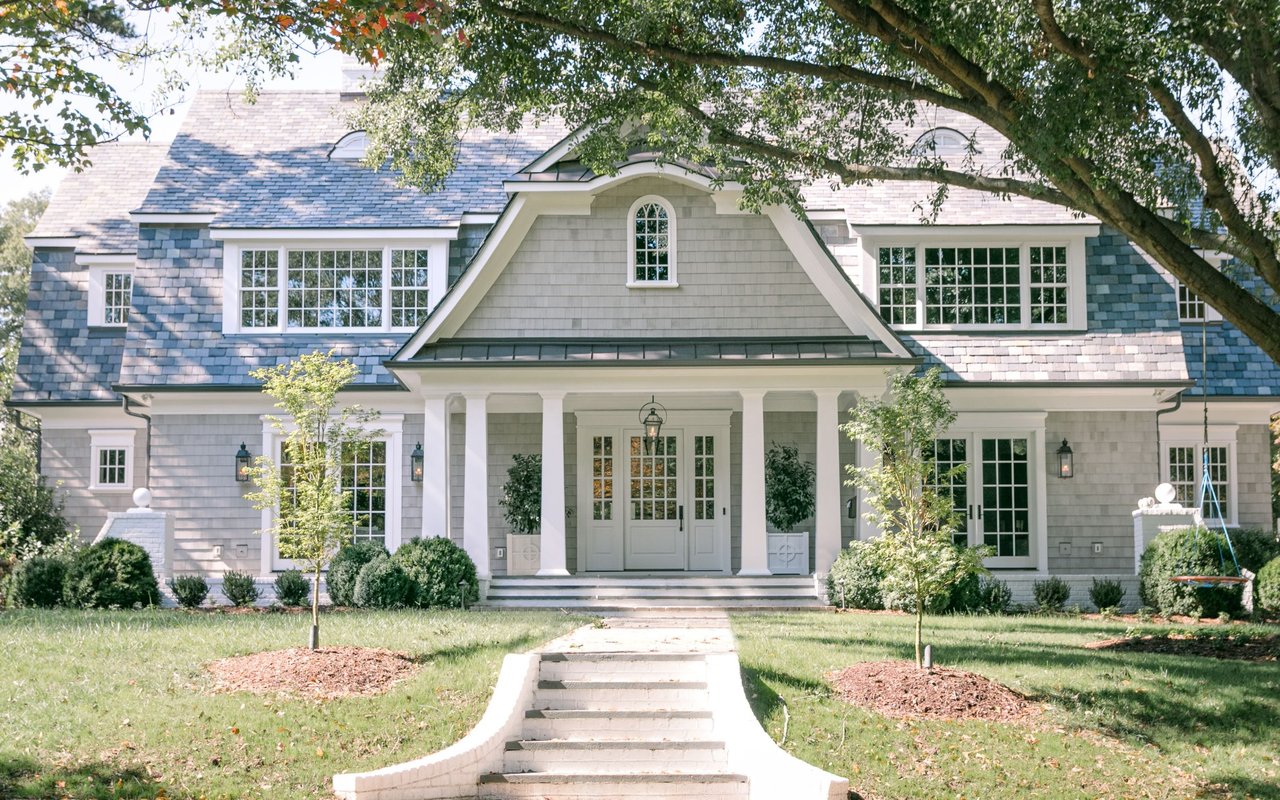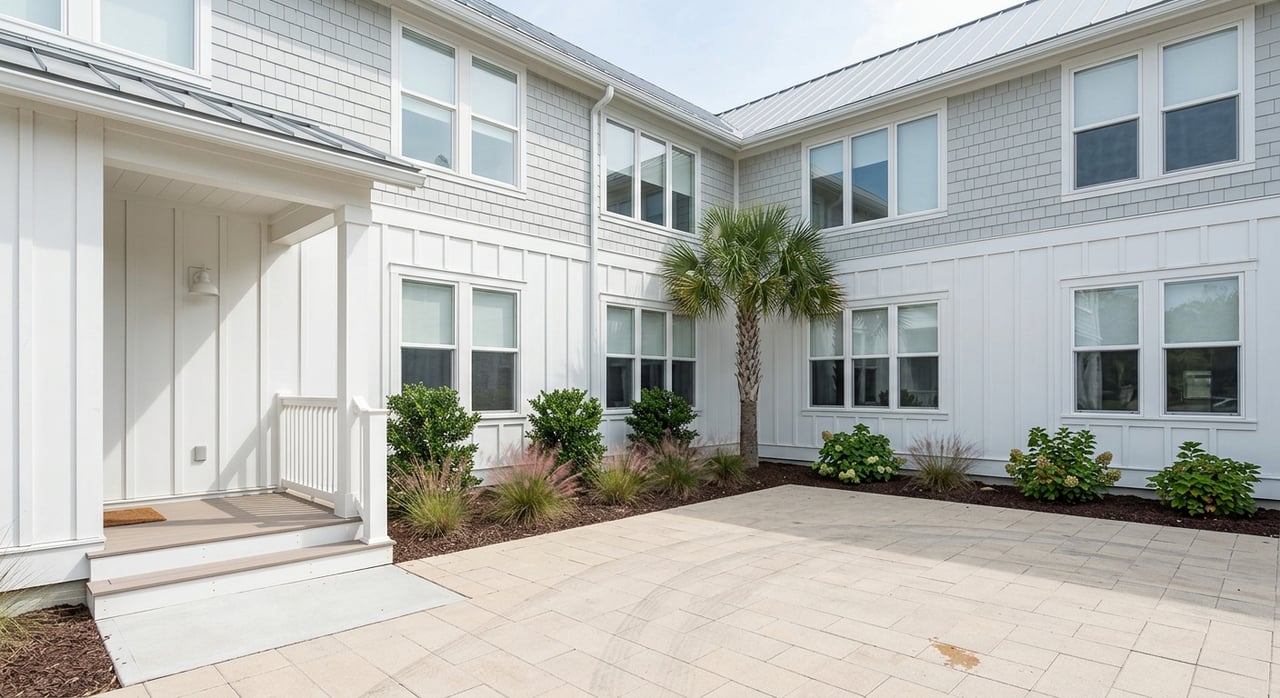
Looking for a place in Kitty Hawk that feels easy to own, easy to lock up, and still close to everything that makes the Outer Banks special? If you want less exterior upkeep, a simpler second-home setup, or a property that may work well for coastal living with shared amenities, condos and townhomes deserve a close look. In Kitty Hawk, the details matter, from ownership structure to flood exposure to what your dues actually cover. Let’s dive in.
Why Kitty Hawk Fits Low-Maintenance Living
Kitty Hawk is a compact barrier-island town with a public beach, many public beach accesses, and a mix of village, beach, and maritime-forest settings. The town’s land-use planning also reflects a place balancing year-round living, seasonal demand, infrastructure, and storm resilience.
That mix helps explain why condos and townhomes appeal to so many buyers here. You may be looking for a lock-and-leave second home, a lower-maintenance primary residence, or a property that gives you access to shared amenities without the full upkeep of a detached house.
Where You’ll Find Condos and Townhomes
Attached housing in Kitty Hawk does not sit in one single, uniform area. The town’s land-use plan notes that townhomes and other attached housing can act as a transition between commercial uses and existing residential uses, so you may see these properties in several different settings.
That means your options can feel very different from one community to the next. Some properties sit closer to beach activity and public access points, while others feel more tucked into established residential areas or quieter settings.
Amenity Packages Can Shape Value
In Kitty Hawk, the amenity package can be just as important as the floor plan. Recent public listings showed examples with community pools, tennis courts, clubhouses, picnic areas, pickleball courts, and even basketball courts.
For many buyers, those shared features are part of the appeal of low-maintenance ownership. Instead of maintaining these features yourself, you may contribute through dues and enjoy them as part of the community.
Price Ranges Can Vary Widely
Public listing snapshots during research showed condos in the high $200,000s to around $300,000, while some townhome options were listed in the mid-$400,000s to $500,000-plus range. Size, location, updates, and amenity offerings can all affect pricing.
That spread matters if you are comparing affordability with space and privacy. A condo may offer a lower entry point, while a townhome may give you more room or a different ownership setup.
Condo vs Townhome: What Changes for You
One of the biggest mistakes buyers make is assuming the exterior look tells the whole story. In Kitty Hawk, two attached homes can look similar but come with very different maintenance responsibilities and monthly ownership costs.
Before you focus on finishes or views, make sure you understand the legal ownership structure. That structure often has the biggest impact on what you are responsible for after closing.
How Condo Ownership Works
Under North Carolina law, a condominium unit is a separate part of the property designated for separate ownership or occupancy. The association is generally responsible for maintaining, repairing, and replacing the common elements, while the unit owner is responsible for the unit itself.
That sounds simple, but there can be important exceptions. Limited common elements such as balconies, patios, or decks may be allocated to a specific unit, so you should not assume every exterior feature is fully maintained by the association.
How Townhome Ownership Can Differ
A townhome may be part of a planned community rather than a condominium. Under North Carolina’s Planned Community Act, the lot owner is generally responsible for maintenance and repair of the lot and its improvements unless the declaration says otherwise, while the association manages common elements.
In plain terms, a townhome may function more like a house than a condo when it comes to upkeep. The declaration, deed, and governing documents determine the real answer, not the building style.
What Low-Maintenance Really Means
Low-maintenance does not always mean maintenance-free. In Kitty Hawk, a property may reduce your day-to-day responsibilities, but you still need to understand what you are paying for and what risks stay with you.
This is especially important on a barrier island, where weather, flood exposure, and salt air can influence both costs and long-term upkeep.
Review HOA Duties Carefully
For condos and planned communities, North Carolina law requires associations to keep financial records, make them reasonably available to owners, and provide annual income-and-expense statements. Owners can also request a statement of unpaid assessments within 10 business days.
That gives you a useful window into how the association operates. You will want to know whether the community appears financially stable, whether dues are being collected consistently, and whether there is a pattern of delinquency or aggressive enforcement.
Monthly Dues Are Only Part of the Picture
HOA dues may cover some combination of grounds care, roads, pools, clubhouses, and certain insurance costs. But the scope of coverage varies by community, so it is important to ask what is actually included.
A community with higher dues may still offer better overall value if it covers more services or helps reduce surprise maintenance expenses. On the other hand, lower dues may mean you will carry more responsibility yourself.
Coastal Costs to Budget For
If you are shopping for condos or townhomes in Kitty Hawk, you should budget beyond the mortgage payment and dues. Coastal ownership comes with added planning, especially when it comes to flood and wind risk.
These costs are not side notes. They are part of the true ownership picture.
Flood Risk Matters in Kitty Hawk
Kitty Hawk identifies nor’easters, hurricanes, flooding, and coastal erosion as major hazards. The town also says most of Kitty Hawk lies in a Special Flood Hazard Area.
Because of that, questions about flood zone, base flood elevation, and freeboard can be just as important as square footage or bedroom count. The town’s Planning and Inspections Department can review floodplain information and elevation certificates or direct buyers to the public flood-risk tool.
Insurance Often Comes in Layers
North Carolina’s Department of Insurance notes that flood coverage is separate and that flood policies typically have a 30-day waiting period. It also notes that Outer Banks property owners may be eligible for the Coastal Property Insurance Pool for wind and hail coverage.
For you, that means ownership costs may include multiple insurance pieces. Even in a low-maintenance community, you should expect to evaluate dues, flood insurance, wind and hail coverage, and any unit-specific policy needs.
Local Taxes Add to Carrying Cost
Kitty Hawk’s FY 2026-2027 budget lists a town-wide ad valorem tax rate of 20 cents per $100 of assessed value. It also lists a 2-cent town-wide beach nourishment tax and a 6-cent Municipal Service District beach nourishment tax where applicable, plus a 1.5-cent fire apparatus reserve tax.
If a property sits in the Municipal Service District, that extra town tax should be part of your monthly budget planning. It is a separate public charge, not an HOA fee.
What to Verify Before You Make an Offer
A condo or townhome can be a great fit in Kitty Hawk, but only if the details line up with your goals. The smartest buyers dig into the documents before they get too far down the road.
A careful review now can help you avoid surprises later.
Your HOA Document Checklist
Before making an offer, review these items closely:
- Declaration
- Bylaws
- Rules and regulations
- Current budget
- Recent meeting minutes
- Insurance summary
- Reserve or capital-planning materials
- Dues coverage details
- Rental limits
- Pet rules
- Parking and storage rules
- Special assessment history
- Pending litigation
- Flood-prone area details
This review is especially important in Kitty Hawk because one community may bundle more services and insurance into the dues, while another may keep the package much leaner.
Match the Property to Your Lifestyle
The best fit is often a buyer who values convenience over control. That may include a second-home owner who wants a true lock-and-leave setup, a year-round resident who wants less exterior upkeep, or an investor who is comfortable evaluating HOA costs and coastal insurance.
Kitty Hawk’s public beach access, parking, bathhouse showers, and seasonal ocean-rescue coverage add to the appeal. Still, those conveniences do not replace the need to plan carefully for storms, salt air, and association obligations.
How Corolla Real Estate Can Help
When you are comparing condos and townhomes in Kitty Hawk, small differences can have a big impact on your costs, flexibility, and long-term satisfaction. This is where local guidance matters, especially if you are buying from out of town or weighing a second home against an investment property.
At Corolla Real Estate, we help buyers look beyond the photos and ask the right questions about ownership structure, carrying costs, and real-world fit. If you want experienced, relationship-driven guidance for your northern Outer Banks search, connect with Corolla Real Estate.
FAQs
What is the difference between a condo and a townhome in Kitty Hawk?
- In Kitty Hawk, the key difference is usually the legal ownership structure, not the building style. A condo association generally maintains common elements, while a townhome in a planned community may leave more maintenance responsibility with the owner unless the governing documents say otherwise.
What do HOA dues usually cover for Kitty Hawk condos and townhomes?
- Dues may cover items like grounds care, roads, pools, clubhouses, and some insurance costs, but coverage varies by community. You should confirm exactly what is included before making an offer.
Do Kitty Hawk condos and townhomes need flood insurance?
- Many properties in Kitty Hawk need careful flood review because most of the town lies in a Special Flood Hazard Area. Flood insurance is separate from standard property coverage, so you should verify the property’s flood zone and insurance needs early.
Are Kitty Hawk condos good for second-home buyers?
- They can be a strong option if you want lock-and-leave ownership and less exterior upkeep. The best fit depends on the community rules, carrying costs, insurance needs, and how you plan to use the property.
What should you review before buying a Kitty Hawk townhome or condo?
- Review the declaration, bylaws, rules, budget, meeting minutes, insurance summary, reserve materials, rental and pet rules, parking rules, assessment history, and any flood-related details. These documents can tell you a lot about future costs and day-to-day ownership.