Not sure which part of Kill Devil Hills will fit you best? You are not alone. This beach town naturally divides into a few lifestyle zones, and each one offers a different mix of access, home types, and rental potential. By the end of this guide, you will be able to match your goals to the right area and know the key checks to run before you buy. Let’s dive in.
How Kill Devil Hills is laid out
Kill Devil Hills runs along two main north–south roads. The Beach Road, also called Virginia Dare Trail or NC‑12, hugs the ocean. The wider commercial road locals call the bypass sits just inland. Homes between these two make up the central strip, while everything west of the bypass is the town’s westside toward the sound. This three‑zone layout is a common way buyers and renters describe the town, and the town overview explains the same pattern.
For quick orientation, the town’s community guide describes these zones and their general character. You can read that overview in the Kill Devil Hills real estate community guide.
Oceanside: instant beach access and top rental draw
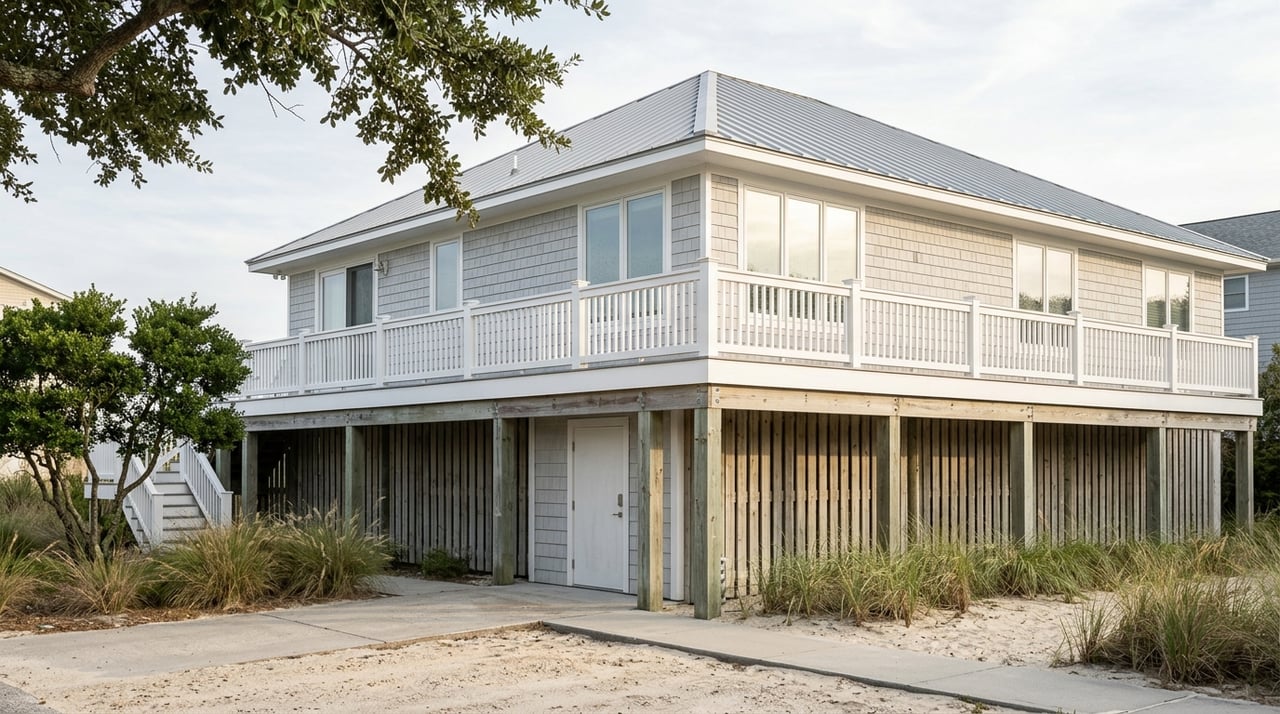
If you want to step onto the sand in minutes, oceanside is your lane. Homes here sit along or just off the Beach Road. You will find elevated, multi‑story houses and condo buildings designed for coastal conditions, often on pilings with exterior stairs. The town’s overview notes this area has a heavy vacation and rental orientation.
Public access is straightforward, with formal dune walkovers and lifeguarded sections in season. Popular access points, such as those near Ocean Bay Boulevard, see more foot traffic in summer. You can scan typical access info and lifeguard coverage on beach guides for Kill Devil Hills.
From a market and investment view, oceanside is the priciest segment. It also captures the strongest peak‑season demand and the highest average daily rates and occupancy for short‑term rentals. Third‑party data shows meaningful summer seasonality and revenue potential here. If your primary goal is top‑tier rental performance and ocean views, oceanside delivers that tradeoff, though you should budget for higher purchase price and ongoing coastal maintenance.
Who it fits
- Investors seeking maximum summer income and guest appeal
- Buyers who want ocean views and the quickest beach access
- Families who prioritize beach time over yard or garage space
Pros
- Best walk‑to‑beach lifestyle and strong rental demand
- Many homes designed for guest capacity and views
Cons
- Highest purchase prices and more seasonal activity nearby
- Higher wind and flood insurance needs due to coastal exposure
Between‑the‑Highways: close to beach, close to conveniences
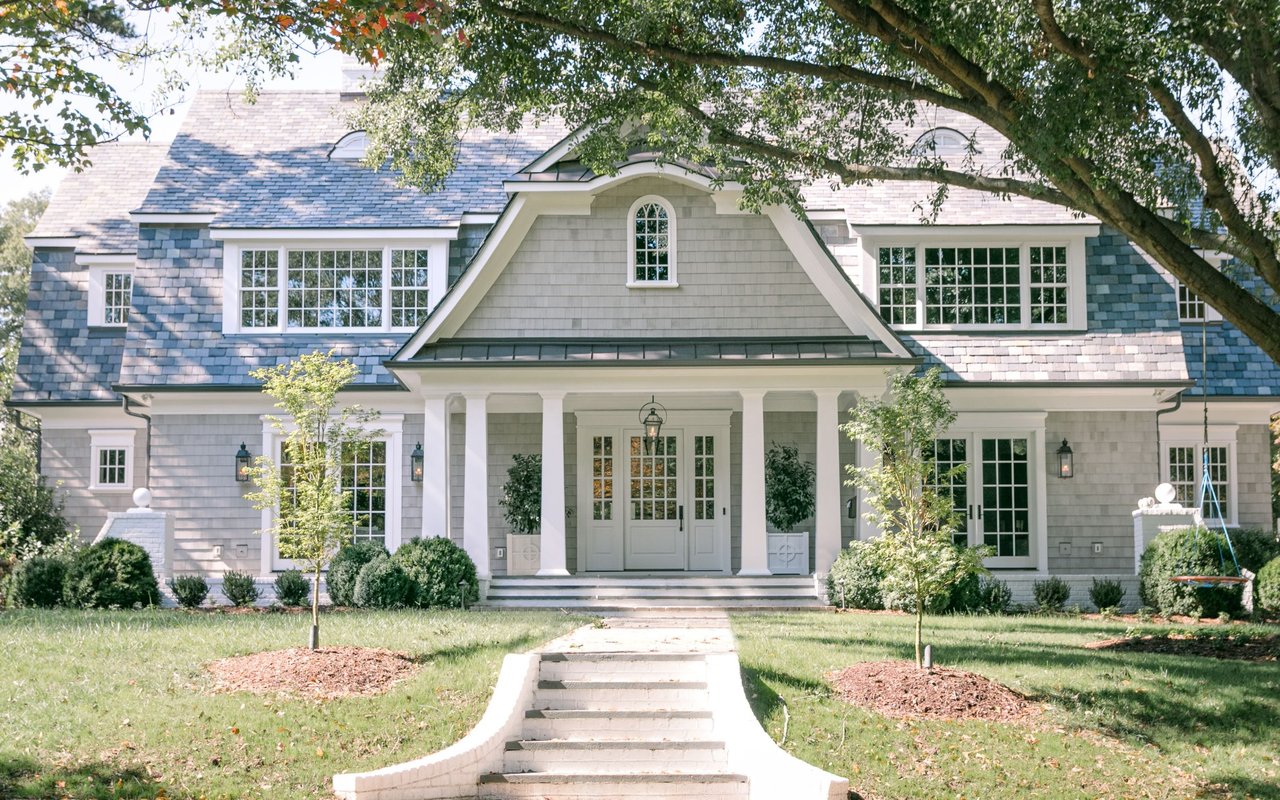
This central band sits between the Beach Road and the bypass. It is a favorite for buyers who want a short walk to the beach without oceanfront pricing. You will see classic beach cottages, smaller single‑family rentals, and low‑rise condo or townhome options.
These locations balance quick dune‑cross access with easy drives to the commercial corridor for groceries and restaurants. Public beach access points with parking and seasonal lifeguards are typically close at hand. A local beach access directory can help you visualize those choices.
Pricing in this zone is generally below oceanside while still supporting strong peak‑season bookings. Smaller homes and condos can offer a lower entry point, which appeals to buyers who plan some personal use and partial rental. Expect a mix of seasonal and some year‑round occupancy, along with the convenience of being near both the beach and shops.
Who it fits
- Buyers wanting strong rental demand with a lower entry cost than oceanfront
- Hybrid users who plan family time plus off‑season or shoulder‑season income
- Anyone who values a short walk to the beach and quick access to the bypass
Pros
- Lower purchase price than oceanfront with solid rental appeal
- Walkable to access points and near services
Cons
- Some cottages are compact with limited storage or parking
- Coastal exposure still influences construction, upkeep, and insurance
Westside and soundside: year‑round living and boating
West of the bypass, neighborhoods shift toward primary homes, larger lots, garages, and quieter streets. You will also find soundfront communities and canal or marina neighborhoods such as Colington Harbour, along with planned subdivisions like Carlyle on the Sound. Many of these areas offer amenities such as pools, private marinas, tennis or pickleball, and small private sound beaches.
This side trades an easy beach walk for daily convenience and space. Grocery and big‑box retail on the bypass are close, and you can reach the ocean by a short drive. For boaters and sound lovers, canal and soundfront locations provide Albemarle Sound access and a different water‑oriented lifestyle.
Pricing varies with waterfront and amenities, but many inland westside homes are more affordable than oceanside stock and are well suited for full‑time living. Short‑term rental demand exists for select soundfront homes, though some communities are primarily residential and may restrict weekly rentals. Always confirm HOA and neighborhood rules in writing before you buy.
Who it fits
- Year‑round residents who want yards, garages, and quieter streets
- Retirees and families who value neighborhood amenities and less turnover
- Boaters who want canal, marina, or sound access
Pros
- Community amenities and a strong full‑time lifestyle fit
- Potentially lower wind and flood insurance costs on inland parcels
Cons
- Longer walk to the beach and more driving for ocean time
- Some neighborhoods limit short‑term rentals; soundfront still has coastal risk
Costs, permits, and risk checks to run
Every coastal purchase should include a simple due‑diligence routine. These checks protect your budget and help you compare areas with confidence.
Flood zones and elevation
- Review the parcel’s FEMA flood zone and base flood elevation using the town’s Flood Insurance Rate Map resources. Kill Devil Hills publishes a helpful FAQ on FIRMs and zone types, including VE, AE, and X designations.
Insurance budgeting
- Coastal wind and hurricane deductibles, windstorm endorsements, and flood policies can materially change your annual costs, especially in VE and AE zones. Obtain local quotes and an elevation certificate early in underwriting.
Short‑term rental rules and taxes
- Kill Devil Hills uses a permitting framework for vacation rentals, and Dare County collects occupancy tax. Verify the current permit type, application process, parking and occupancy limits, and required safety items with the Town Planning and Inspections office. A local legal overview summarizes how STR permits and rules typically work in the town. For revenue assumptions, consult an STR data provider that tracks Kill Devil Hills seasonality and performance.
Zoning, HOAs, and ADUs
- Condo and HOA documents often set minimum stays, parking rules, and quiet hours. Confirm them in writing if you plan to rent. The town has also expanded the use of accessory dwelling units to encourage some long‑term housing options, which may affect planning for multi‑use properties.
Property taxes and revaluation
- Dare County has conducted property revaluations in recent years. When you model carrying costs, include a buffer for potential assessment changes.
A quick match guide for your goals
Use these simple buyer profiles to narrow your search.
- Investor focused on summer income: Target oceanside or premium between‑the‑highways homes close to popular access points. Budget for higher insurance and confirm current STR permit rules with the town.
- Hybrid user, some personal use: Between‑the‑highways often provides the best cost and convenience balance. You get a short beach walk without oceanfront pricing and can capture solid rental weeks.
- Year‑round primary residence: Westside and soundside neighborhoods offer garages, yards, and community amenities with less weekly turnover. This side is built for everyday living.
- Boater and sound lover: Look in canal and sound neighborhoods for dockage and Albemarle Sound access. Confirm dock permits, water depth, and HOA rules for slips.
- Insurance and flood‑sensitive buyer: Favor inland westside parcels that may fall in X or X‑shaded zones. Verify the exact flood zone and elevation by parcel before you offer.
The bottom line
Kill Devil Hills works because you have clear choices. Oceanside gives you instant beach access and top rental draw. The central strip keeps you close to both the dunes and the grocery run. Westside and soundside deliver space, amenities, and a year‑round pace. If you match the area to your goals and run the right due‑diligence checks, you will set yourself up for a smooth purchase and a home that truly fits.
Ready to compare options or run the numbers on a specific property? Reach out to the local team at Corolla Real Estate for tailored guidance, property tours, and data‑driven rental insights.
FAQs
What are the main areas of Kill Devil Hills and how do they differ?
- Locals use three zones: oceanside along the Beach Road, the central band between the Beach Road and the bypass, and the westside toward the sound. Each offers a different mix of beach access, home types, and rental behavior.
How strong is short‑term rental demand in Kill Devil Hills?
- Demand is meaningful and highly seasonal, with peak summer ADRs and occupancy, especially near the ocean. Third‑party data for Kill Devil Hills shows active listings and strong summer performance.
Where can I find beach access and lifeguard info for planning?
- You can review Kill Devil Hills access points, parking, and seasonal lifeguard coverage through local beach access guides that map public entries and amenities.
What should I check about flood zones before buying in KDH?
- Confirm the parcel’s FEMA flood zone and base flood elevation using the town’s Flood Insurance Rate Map resources, and budget for wind and flood insurance based on the zone.
Are westside and sound neighborhoods good for year‑round living?
- Yes. Westside areas commonly feature year‑round homes, larger lots, garages, and community amenities. They trade an easy beach walk for space, quieter streets, and a primary‑home feel.
Do HOAs or zoning affect short‑term rentals in KDH?
- Many associations set minimum stays, parking rules, and occupancy limits, and the town requires permits. Confirm both HOA rules and the current town permitting process before you buy.