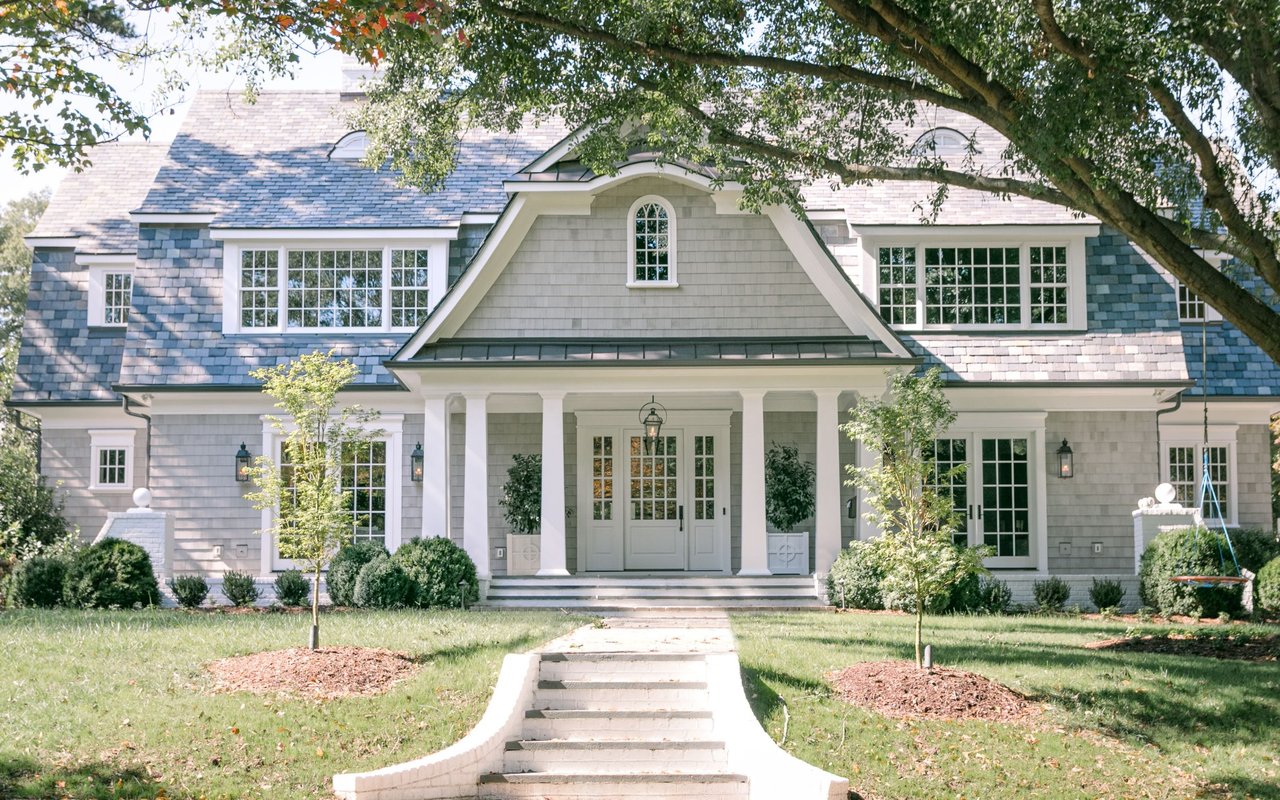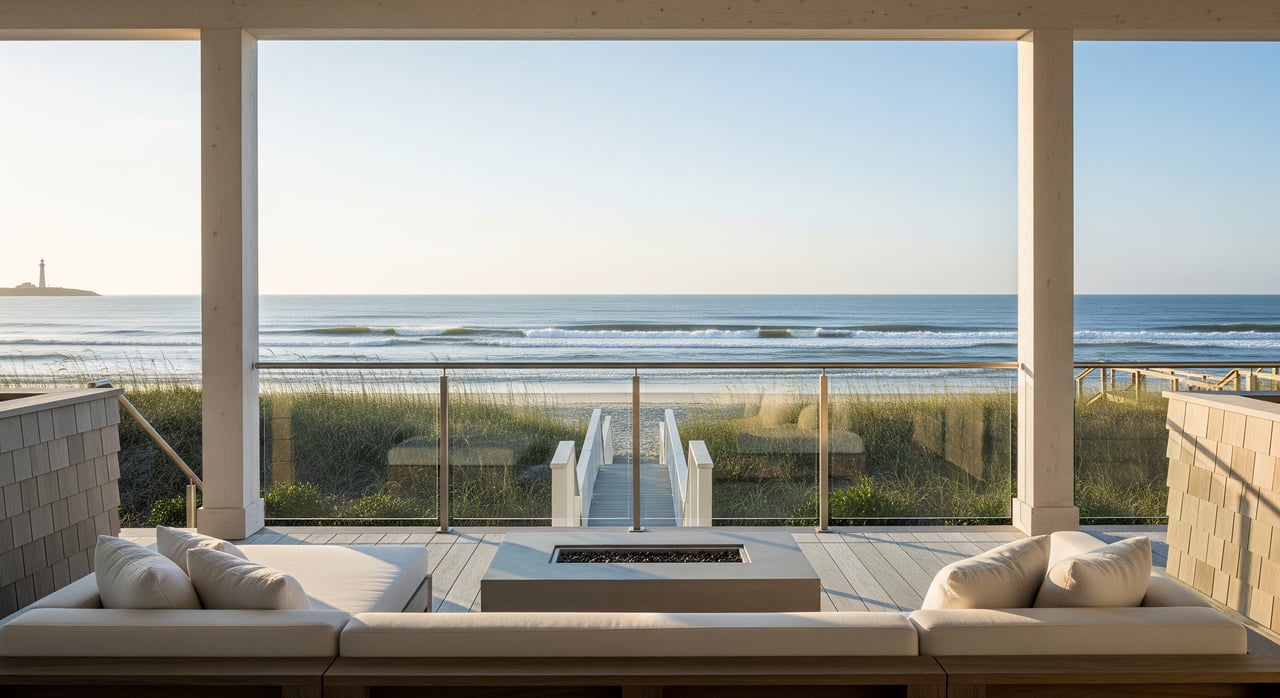
Are you picturing coffee on a dune-top deck with waves below or a short, easy walk to the sand with fewer ongoing costs? Choosing between oceanfront and oceanside in Corolla is a big decision that shapes your budget, insurance, maintenance, rental income, and long-term risk. You want a place that fits your lifestyle and your numbers. In this guide, you will learn what these terms mean locally, what costs to expect, how rentals compare, and what to verify before you make an offer or list your home. Let’s dive in.
Oceanfront vs oceanside in Corolla
Corolla sits on a dynamic barrier island with wide beaches, shifting dunes, and homes typically elevated on pilings. In local MLS use, oceanfront means a property directly fronts the Atlantic and the beach, often with direct access via stairs or a dune crossover. Oceanside is used more loosely. It may mean a home on the ocean-facing side of the main road or in the ocean block with a potential view, but not necessarily with direct beachfront or dune-fronting stairs.
Because MLS language is not standardized, do not rely on labels alone. Confirm physical frontage, access, and view corridors at the parcel level. Ask for the recorded survey, deed language, and any coastal permits to verify if a property truly abuts the beach and what access rights exist.
Cost drivers that shape your budget
Flood zones and insurance
Oceanfront parcels are more likely to sit in FEMA V zones or high-risk AE zones that are subject to wave action. These zones carry stricter elevation and construction requirements and typically higher flood-insurance premiums. Oceanside homes can still be in high-risk areas but may fall in lower-risk AE zones or even X zones depending on elevation and distance from the ocean.
Your action step is simple and essential: obtain the current FEMA Flood Insurance Rate Map designation for the parcel and an Elevation Certificate. Use those to request actual quotes from coastal insurers before you bid. Your flood zone and elevation will drive both feasibility and annual carrying costs.
Coastal codes, setbacks, and permits
North Carolina coastal rules, along with Currituck County ordinances, control setbacks from the ocean, dune disturbance, and construction standards. Oceanfront lots often require more restrictive review and permitting, including state coastal program involvement. Dunes and dune vegetation are regulated, and alterations typically require approvals. Repairs after storm events can trigger code upgrades, elevation compliance, and permit requirements for both oceanfront and oceanside properties.
Maintenance you can plan for
Salt, wind, and sand work harder on homes close to the surf. Expect more frequent attention to decking, fasteners, railings, windows, siding, and HVAC components near the ocean. Oceanside properties set farther back may see somewhat less exposure, though coastal conditions still apply. Build a maintenance reserve into your budget, especially if you plan to rent seasonally.
Erosion and long-term shoreline risk
Oceanfront ownership delivers unmatched access and views, along with exposure to beach erosion, storm overwash, and shoreline retreat over time. Shoreline change rates vary across Corolla. Some areas have benefited from beach nourishment projects while others have experienced more active erosion. If your time horizon is long, factor in elevation above base flood elevation, distance from the current dune line, and whether the area has a history of nourishment or retreat.
When you evaluate a specific parcel, review publicly available shoreline change analyses and sea-level rise information, and look for recent or planned nourishment projects. Pair that research with your risk tolerance and holding period to make a balanced decision.
Rental income and operating economics
If you plan to rent, oceanfront homes generally command higher nightly rates and can maintain stronger occupancy, including the shoulder seasons. Oceanside homes often perform well too, but their ceiling on average daily rate is usually lower because they lack direct beach frontage.
Net yield is what matters most. Consider:
- Occupancy rates across peak and shoulder seasons.
- Average daily rate for comparable homes.
- Property management fees, commonly 10 to 30 percent.
- Local transient occupancy and sales tax requirements for short-term rentals.
- A realistic annual maintenance reserve, which is higher at the ocean’s edge.
Pull current rental comps for your property type and location, and request performance histories when available. A side-by-side model of gross revenue, insurance, taxes, fees, and reserves will show you the true difference between oceanfront and oceanside yields.
Access, beach rights, septic, and utilities
Beach access is a core part of your experience and rental appeal. Oceanfront homes may have private stairs or a boardwalk across the dune. That access can be subject to regulations and maintenance responsibilities, and it can be adjacent to public access. Ownership and maintenance of the dune and access path are not always straightforward. Always confirm access rights and responsibilities.
Oceanside homes often rely on neighborhood walkways or public access points. Verify proximity, any easements, and HOA rules or restrictions. A short, clearly defined walk can be a major advantage for guests and family.
Many Corolla homes use private septic systems. Near the ocean, high water tables and sandy soils can require engineered systems or specific maintenance protocols. Properties farther from the surf may have different septic constraints. Request the current septic permit, capacity details tied to bedroom count, and maintenance records from the county health department or the seller.
Which fits your goals?
Choose oceanfront if you want
- The strongest views and direct access to the beach.
- Premium rental income potential and off-season demand.
- A more exclusive feel and curb appeal that travelers and guests value.
Expect a higher purchase price, higher flood and wind coverage costs, more frequent exterior maintenance, greater exposure to erosion and storm risk, and tighter permitting for repairs and improvements.
Choose oceanside if you want
- Lower upfront cost and broader resale appeal in some segments.
- Some reduction in insurance and maintenance exposure compared with oceanfront.
- Walkable access to the beach, and possibly an ocean view from upper levels, without direct dune frontage.
You can still design for a great guest experience and family use while balancing budget and risk.
If you are focused on long-term risk
- Prioritize elevation above base flood elevation and distance from the active dune line.
- Review local shoreline change history and any nourishment projects.
- Match your risk profile to your planned holding period and reserve strategy.
Buyer checklist before you write an offer
Use this list to de-risk your decision and sharpen your budget.
- Verify exact frontage: Confirm oceanfront or oceanside status with the recorded survey, deed, and parcel maps.
- Flood data: Pull the current FEMA flood map panel and obtain an Elevation Certificate.
- Shoreline and erosion: Review shoreline change records and any recent or planned nourishment in the area.
- Septic: Get the current septic permit, capacity, and maintenance records; verify suitability for the intended bedroom count and rental occupancy.
- Utilities: Confirm water source, electrical service, and availability of cable or internet.
- Permits and history: Collect permits for existing structures and past renovations and check for any open code issues.
- Insurance quotes: Request flood and wind coverage quotes using the Elevation Certificate.
- Rental underwriting: Assemble rental comps, estimate occupancy and ADR, and confirm local lodging tax requirements.
Inspections and technical evaluations to prioritize
Coastal properties deserve a thorough look at structure and systems.
- Structural: Focus on pilings, bracing, connectors, corrosion, and any signs of storm impact.
- Roof and envelope: Inspect roofing, siding, flashing, and fasteners for salt-air wear.
- HVAC: Check for rust, performance, and expected lifespan of units near the ocean.
- Septic and soils: Inspect the system and, if needed, conduct a soil evaluation.
- Survey: Verify setbacks, encroachments, and beach access easements on the ground.
- Elevation: Obtain an independent Elevation Certificate if one is not current.
Seller playbook to build trust and value
If you are selling, the right documents and maintenance story can boost confidence and price.
- Disclose prior storm damage, repairs, and any insurance claims history.
- Maintain current elevation and flood documentation, septic maintenance records, and a log of repairs and renovations.
- Highlight upgrades that reduce exposure, such as hurricane-rated windows, recent siding or decking replacements, and dune maintenance history where applicable.
- If the home is a vacation rental, prepare a clear rental performance summary that includes ADR, occupancy, management fees, and taxes collected or remitted.
Quick comparison to guide the decision
Price and scarcity
- Oceanfront: Premium pricing due to direct frontage and high demand.
- Oceanside: More affordable with a broader buyer pool.
Insurance and maintenance
- Oceanfront: Higher flood and wind costs, more exterior wear.
- Oceanside: Typically lower exposure, still coastal.
Flood zone and permitting
- Oceanfront: More likely in V or high-risk AE zones with stricter rules.
- Oceanside: Varies by elevation and distance, potentially in lower-risk zones.
Rental potential
- Oceanfront: Higher ADR and often stronger shoulder-season demand.
- Oceanside: Solid demand with a lower ceiling on rates.
Access
- Oceanfront: Direct dune access, verify ownership and maintenance.
- Oceanside: Neighborhood or public walkways, verify easements and proximity.
Long-term risk
- Oceanfront: Greater exposure to erosion and storm effects.
- Oceanside: Reduced direct exposure, varies by specific location.
Your next step in Corolla
Whether you lean toward oceanfront grandeur or an oceanside value play, the right move is to verify the details that affect cost, comfort, and returns. Align your lifestyle goals with the flood zone, elevation, maintenance plans, and rental model for the property you choose. A focused due diligence process will save you time, prevent surprises, and set up a smooth closing.
If you want local insight grounded in decades of Corolla experience and real vacation-rental operations, our team is ready to help. From private video walkthroughs to data-driven rental projections and offer strategy, you will get white-glove guidance tailored to your goals. Start a conversation with Corolla Real Estate.
FAQs
How do I confirm if a Corolla listing is truly oceanfront?
- Request the recorded survey and deed, verify that the parcel directly abuts the beach and dune, and confirm any dune crossover or access rights. Do not rely only on MLS labels or photos.
Will flood insurance cost more for oceanfront homes in Corolla?
- Often yes. Oceanfront parcels are more likely in FEMA V or high-risk AE zones with stricter requirements and higher premiums. Get quotes using a current Elevation Certificate before you bid.
How do oceanfront and oceanside rentals compare in Corolla?
- Oceanfront homes typically achieve higher nightly rates and strong occupancy, including in shoulder seasons. Oceanside homes can perform well but usually have a lower ceiling. Use current comps to model net yield.
What hidden costs should I expect with oceanfront ownership in Corolla?
- Higher flood and wind coverage, frequent exterior maintenance due to salt and wind, dune or access path repairs, potential engineered septic needs, and stricter permitting for work near the dune.
What should I verify for beach access if I buy on the oceanside?
- Confirm public or neighborhood access points, any private easements, HOA rules, and the actual distance and route to the beach. Clear access supports both lifestyle and rental appeal.
Is beachfront ownership a safe long-term choice in Corolla?
- Barrier islands are dynamic. Review local shoreline change history and any nourishment projects, consider your time horizon, and prioritize elevation and distance from the active dune to align risk with your goals.