Ever wonder what Corolla feels like when the summer traffic fades and the beaches fall quiet? If you’re a second‑home shopper or a remote worker, the off‑season is when you really see the town’s true rhythm. You get space, stillness, and a slower pace, along with a few tradeoffs to plan for. In this guide, you’ll learn what daily life looks like from November through March, how businesses operate, what the beach experience is like, and what to consider if you plan to buy. Let’s dive in.
What off‑season means in Corolla
The Outer Banks runs on a clear seasonal cycle. Peak activity spans late spring through summer, and crowds taper in fall. The off‑season generally runs from November to March. Visitor numbers drop, short‑term rentals slow, and many tourist businesses take a winter break or shift to limited hours.
You still have a year‑round community here. Essential services operate, but staffing is lighter and hours can be shorter. The result is a quieter, more local feel with easier parking, less traffic, and more room to enjoy nature.
Weather reality check
Winters are milder than inland North Carolina, but you should expect cool, windy, and sometimes wet days. Nights can dip below freezing on occasion, and snow is uncommon but not impossible. Late fall and winter bring more frequent nor’easters and strong onshore winds, which can cause beach erosion, high tides, and temporary access issues.
Hurricane season officially runs from June through November, so strong fall storms are possible. Off‑season is also when you may see dune work or beach nourishment projects. On the plus side, humidity and insects are lower, though salt spray and wind are a constant part of coastal life.
Businesses and services in winter
Tourist‑oriented restaurants, bars, shops, and water‑sports vendors often scale back or close in winter. Some reopen for weekends, while others take a full break until spring. You’ll still have access to everyday basics. Grocery stores, gas stations, a hardware option, property management offices, and a handful of restaurants typically remain open with reduced hours.
Professional services are available year‑round, though response times can vary. Real estate, accounting, and many contractor services continue, but larger projects or certain trades may be selective in winter due to staffing or weather constraints.
Healthcare and emergency services
Emergency services operate year‑round. That said, this is a rural coastal area, so response times depend on staffing and distance. There is no full‑service hospital in Corolla itself. Residents rely on medical centers in nearby towns on the Outer Banks or the mainland. Non‑urgent care options are more limited than in a city and may have reduced hours off‑season.
Getting around
Corolla is car‑dependent. The good news is that off‑season traffic is light, so trips to other OBX towns or mainland services are often quicker than in summer. Weather and storm recovery work can occasionally affect local roads or beach access. If you rely on ferries or seasonal shuttles elsewhere on the OBX, check winter schedules before you travel.
Beach and outdoor life
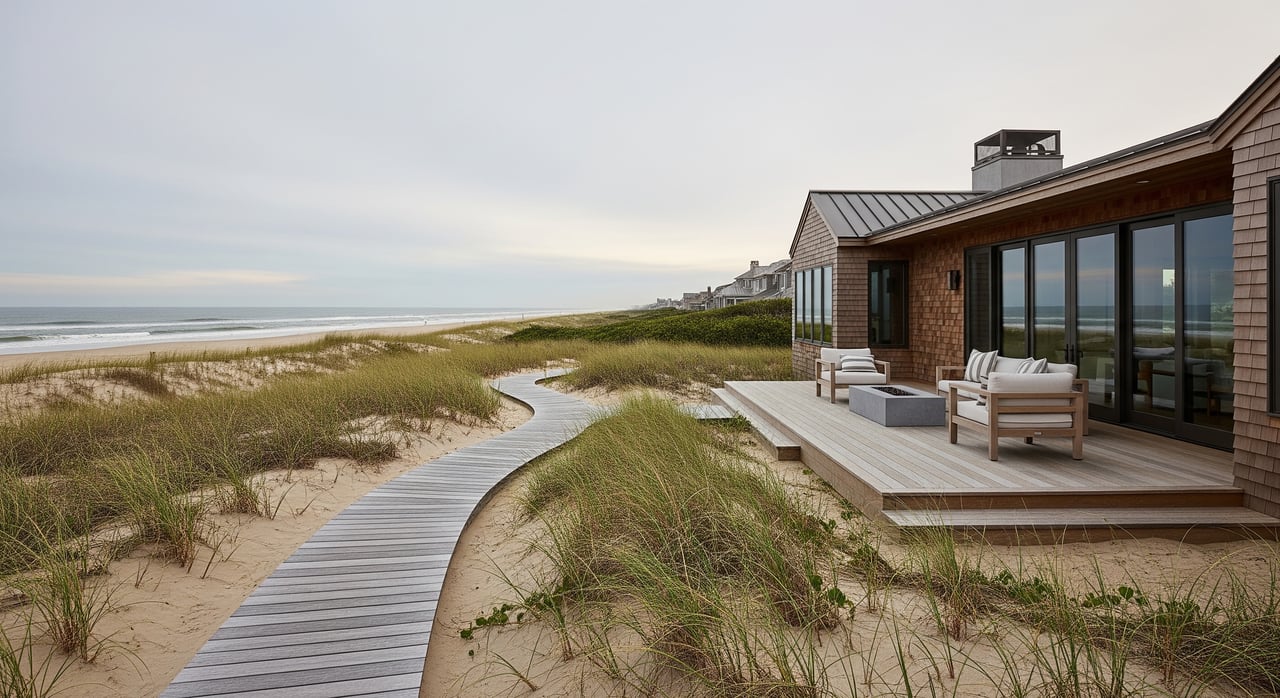
The beach in winter is peaceful. You’ll find long, empty stretches of sand that are perfect for walking, photography, birding, and quiet time. Beach width and access points can change year to year due to storms or erosion projects, and you may see dune work in progress.
If you surf or fish, the off‑season can bring consistent conditions and fewer people. Water temperatures drop, currents can be strong, and lifeguard coverage is typically not provided outside peak season. Use caution, check conditions before entering the water, and consider a buddy system.
Wildlife and nature
Corolla’s free‑roaming wild horses are a year‑round presence. Off‑season viewing can be easier with fewer vehicles and tour groups. Always follow local rules, keep your distance, and never feed the horses. Migratory birds often pass through in fall and winter, and shelling can improve after storm activity.
Recreation options
Many guided tours and water‑sports rentals scale back during winter. Independent activities like running, biking, and beachcombing become go‑to options. Golf, local parks, and some trails typically remain accessible, though amenities and hours may be reduced.
Community and pace of life
The off‑season community is small, steady, and neighborly. Social life shifts toward local events, holiday gatherings, and civic clubs rather than tourist‑driven entertainment. You’ll likely get to know year‑round residents and business owners more quickly. If you value privacy and a slower daily pace, this season is a strong match.
Remote work and connectivity
If you plan to work from your beach home, verify connectivity at the address level. Cell coverage can vary, and internet options depend on your exact location. Ask providers for confirmed speeds and recent upgrade history for the property.
Build in redundancy. Many remote workers maintain a mobile hotspot, a UPS for routers and laptops, and a backup battery or generator. Power outages can happen during storm recovery, and having a plan keeps you productive.
Buying in the off‑season
Off‑season house hunting has a few advantages. You’ll face less buyer competition, and you can evaluate a home in wind and wet conditions. Inventory and open houses are lighter, so you may need to schedule private showings. If you’re buying with rental income in mind, factor in seasonality. Winter weeks usually bring lower revenue, so model cash flow conservatively and confirm community rules for rentals.
Insurance and risk readiness
Coastal properties often need specialized coverage. Wind, hurricane, and flood policies are common, and flood insurance is recommended even for elevated homes. Review FEMA flood maps, ask for elevation certificates, and study local codes and HOA guidelines for dune protection, setbacks, and elevation standards. Inquire about recent shoreline or dune projects that might affect the property.
Before you bind coverage, get multiple quotes, compare deductibles, and ask about credits for mitigation features like hurricane straps, impact glass, or elevated utilities. Understanding true carrying costs helps you avoid surprises.
Maintenance and winterization
Salt air, wind, and moisture are constant here and can accelerate wear. If your home will sit unoccupied for stretches, plan proactively. Common tasks include winterizing pools and exterior plumbing, keeping HVAC or dehumidifiers running to manage moisture, and securing outdoor furniture. After strong storms, schedule inspections for roofs, siding, decking, and shoreline.
If you live out of town, consider a local property management or caretaker arrangement for routine checks and post‑storm assessments. A reliable set of eyes on the property can prevent small issues from becoming costly repairs.
Try it yourself: off‑season checklist
- Visit during late November through February. Spend at least a long weekend to test the true pace of life.
- Map your essentials. Track dining options, grocery access, pharmacy availability, and drive times to larger medical centers.
- Walk and drive your target neighborhood at different times. Compare weekday and weekend patterns, morning and evening activity, and lighting conditions.
- Talk to locals and professionals. Ask year‑round residents about storm history, low‑lying spots, and typical power or internet outages. Ask property managers and contractors about repair timelines and winter scheduling.
- Validate insurance and risk. Get quotes for wind, hurricane, and flood coverage. Review flood maps and request elevation documents.
- Confirm connectivity at the address. Ask providers for actual speeds and outage history. Test a mobile hotspot as a backup.
- Verify utilities and logistics. Understand base utility costs, septic versus sewer, well status if applicable, and trash pickup. Review HOA rules, rental policies, and any dune or shoreline maintenance obligations.
- Know your exit routes. Learn emergency evacuation routes and study historical storm impacts for the property.
Is off‑season right for you?
If you want quiet beaches, more wildlife, and an easygoing daily rhythm, Corolla’s winter months deliver. You trade late‑night dining and endless activities for calm, space, and time to reset. For many second‑home owners and remote workers, that is the point.
When you’re ready to explore properties, you’ll benefit from local advisors who know the seasonal patterns, the rental math, and the nuances of coastal homes. Our boutique team offers hands‑on guidance, virtual showings for remote buyers, and practical insight drawn from decades of local experience. If you want to stress‑test a property for winter life, we’ll help you do it.
To plan a winter visit, compare neighborhoods, or get property‑specific advice, reach out to Corolla Real Estate. We’re here to help you find the right fit and move forward with confidence.
FAQs
What months count as the off‑season in Corolla?
- The off‑season generally runs from November through March, after fall crowds taper and before spring visitors return.
Are restaurants and shops open in Corolla during winter?
- Essentials stay open with reduced hours, while many tourist‑focused restaurants, bars, and shops scale back or pause until spring.
Is swimming safe in Corolla in winter without lifeguards?
- Use caution. Water is colder, currents can be strong, and lifeguard coverage is typically not provided outside peak season.
How reliable is internet and cell service for remote work in Corolla?
- Coverage varies by exact address. Confirm provider speeds, consider a hotspot for backup, and plan for occasional storm‑related outages.
What insurance should second‑home buyers consider in Corolla?
- Coastal homes often need wind, hurricane, and flood coverage. Review flood maps, elevation certificates, and ask for multiple quotes and deductibles.
How does off‑season affect vacation rental income in Corolla?
- Winter weeks generally earn lower revenue, so model cash flow conservatively and confirm rental rules and restrictions for your community.
Can you see Corolla’s wild horses in winter?
- Yes, they are present year‑round. View from a distance, follow local rules, and never approach or feed the horses.