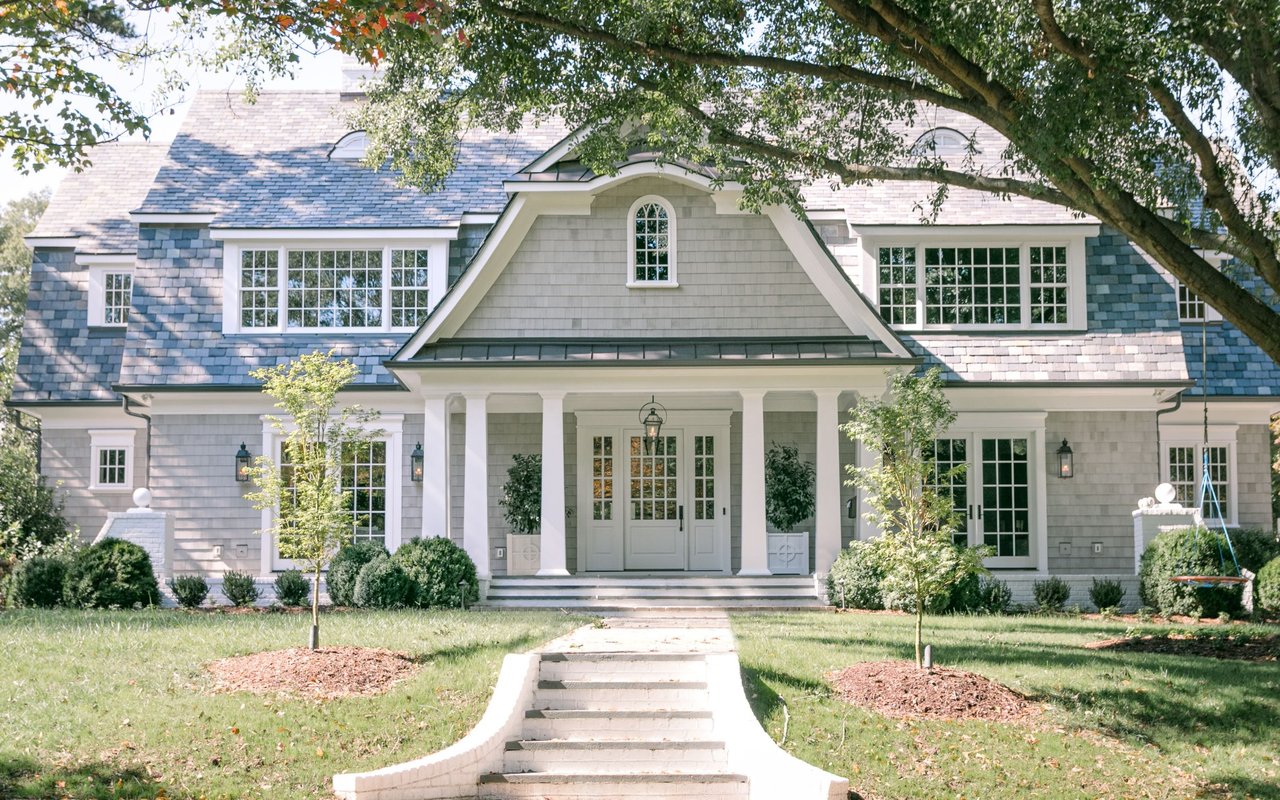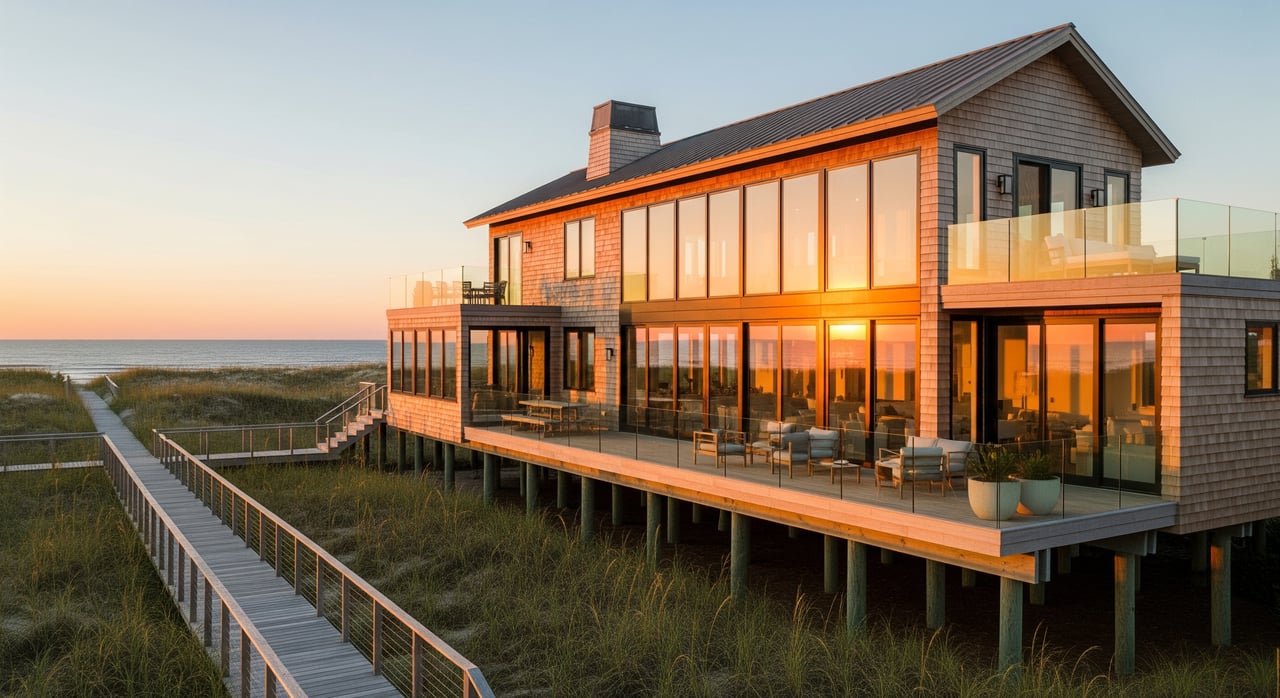
Wondering what your Corolla home is really worth right now? In a coastal market shaped by tourism, seasonality, and storm risk, a one-size-fits-all pricing formula can leave money on the table. You deserve a local, data-driven strategy that reflects how buyers actually shop on the northern Outer Banks. In this guide, you’ll learn what drives value in Corolla, how to build a pricing plan step by step, and which documents help you defend your number and close smoothly. Let’s dive in.
Why Corolla pricing is different
Corolla is a vacation-driven market in Currituck County with a mix of primary homes, second homes, and short-term rental properties. Demand rises in spring and summer when visitors are here and falls in the off-season. That seasonality affects list timing, pricing, and how buyers evaluate value.
Local risks and policies also matter. Flood zones, insurance costs, septic capacity, and coastal building standards can change what buyers will pay. The smartest path is to use current data from the local MLS and county resources, then adjust for features that matter most to Corolla buyers.
What drives value in Corolla
Beach proximity and access
Distance to the ocean and type of access are major price drivers. Direct oceanfront and true ocean views typically command the highest premiums. Community or private walkways can add value compared to public access further away. Soundfront locations with waterfront views and launch access also carry strong appeal.
Elevation and flood zone
Higher lots and homes protected by dunes often carry lower perceived flood risk. FEMA flood zone designations and base flood elevation influence buyer confidence, lending requirements, and insurance costs. Homes sited above base flood elevation with documentation usually market better and can price higher.
Lot, views, and setting
Larger lots, established dune vegetation, and quality landscaping add value. Properties with ocean, sound, or wildlife refuge views can see meaningful premiums. Road frontage, neighborhood setting, and proximity to amenities like shops, historic Corolla Village, or The Currituck Club also influence what buyers will pay.
Bedrooms, layout, and condition
Bedroom and bathroom count, usable layout, and overall condition matter both for lifestyle buyers and investors. Newer construction and homes built to current coastal codes attract premiums. Elevators, durable decking, storm shutters, and updated systems can further support price.
Rental readiness and history
Turnkey furnishings, modern kitchens and baths, a pool or hot tub, and an established rental history increase appeal for investment-minded buyers. Layouts with multiple suites or bunk rooms that maximize occupancy can support higher pricing when marketed with rental performance data.
Septic, wells, and permits
Many Corolla homes rely on private septic and wells. Septic capacity can limit bedroom count and expansion potential, which affects value. Recent septic upgrades, clear permit history for renovations, and compliance with local codes help reduce buyer risk and support stronger pricing.
Step-by-step pricing plan
1) Define your target buyer and goal
Clarify whether you are marketing to second-home buyers, vacation-rental investors, or full-time residents. Decide on time-on-market goals and whether furnishings and existing rental contracts will convey. Your pricing and presentation should match the buyer type you want to attract.
2) Gather local-first data
Pull the most recent 3 to 6 months of closed sales from the local MLS and Outer Banks Association of REALTORS. In thin segments, extend to 12 months and apply time adjustments for market shifts. Review current active inventory to understand your competition and likely days on market.
If your home is a rental candidate, collect rental data from vacation-rental analytics or local property managers, including occupancy, seasonal rates, and annual gross revenue. For property specifics, consult Currituck County tax records, parcel data, and planning or inspections for permits, septic, and well information. Confirm flood zone and base flood elevation using FEMA flood mapping resources.
3) Select and adjust comps carefully
Choose comps from the same micro-market and similar beach proximity. Oceanfront should be compared to oceanfront, soundfront to soundfront, and so on. Adjust for lot position, elevation, square footage, bedroom and bathroom counts, renovation level, and amenities like pool or hot tub. Furnishings and proven rental performance should be accounted for if you are marketing to investors.
When comparable sales are scarce, expand the time window but apply larger time adjustments to reflect market movement. Cross-check against active listings for context and to avoid overpricing.
4) Factor insurance, systems, and permits
Estimate flood and wind insurance costs and consider how they affect buyer purchasing power. Verify septic capacity and recent inspections. Confirm that upgrades and additions were permitted and completed to code. Documented compliance reduces uncertainty and helps defend your asking price.
5) Time and position your price
If you plan to list during peak season, a strategic, slightly more aggressive price may capture in-person demand. In the off-season, consider pricing to stand out and bolster your marketing with strong visuals and data. Tailor remarks to highlight what matters to your target buyer, such as rental income for investors or quiet off-season appeal for second-home users.
6) Monitor and adapt
Track showings, feedback, and days on market weekly for the first month. In low-inventory periods, you may not need to adjust quickly. In slower conditions, plan thoughtful, staged reductions tied to specific dates or milestones. If offers come in below expectations, review whether price, staging, or marketing needs refinement.
Investment valuation basics
For rental-focused properties, pair the comparable-sales approach with an income lens. A quick screen uses a gross rent multiplier, which compares price to gross annual rent. A deeper investment analysis uses net operating income and a market cap rate. Vacation-rental cap rates differ from long-term rentals, so lean on local rental data and current investor comps to ground your assumptions.
Neighborhood and HOA context
Each community in Corolla carries different amenity sets, rules, and rental profiles. Areas like Corolla Light, Ocean Sands, Whalehead, Pine Island, The Currituck Club, and historic Corolla Village attract different buyer types and have distinct HOA policies. Confirm dues, amenity access, and any rental restrictions to ensure your pricing reflects the real operating picture for a new owner.
Avoid common pricing surprises
- Flood zones and elevation can change insurance requirements and premiums, which influence buyer budgets.
- Septic capacity may cap bedrooms and expansion potential, affecting both lifestyle use and rental income.
- Appraisals in niche coastal segments rely heavily on local comps and documented rental history. Prepare a comps packet and income records to support valuation.
- Short-term rental rules may include licensing, taxes, or HOA standards. Align your pricing and marketing with current regulations.
Documents to prepare
A clear paper trail speeds negotiations and helps you defend your price. Assemble a simple package that includes:
- Recent comparable-sales analysis with 3 to 6 comps and current competing listings
- Rental performance reports for the last 2 to 3 years, if applicable
- Flood and wind insurance quotes and an elevation certificate
- Septic inspection or certificate, and well test if applicable
- Permits and as-built plans for recent renovations
- HOA documents, dues, and amenity details
- A clear list of included or excluded furnishings and any rental contract conveyances
Seasonality and listing timing
Spring and summer bring peak foot traffic and faster decision cycles, which can support stronger pricing. If you list in-season, lean into lifestyle visuals, beach access, and immediate rental potential for prime weeks. Off-season listings can still succeed with thoughtful pricing, high-quality photography, and flexible touring options for remote buyers.
Local tools and experts
Use local data first. MLS and OBAR market reports are the most reliable for recent sales and days on market. For property specifics, consult Currituck County parcel records, tax data, and Planning and Inspections for septic and permits. Check FEMA flood maps for zone and elevation context. For rentals, use vacation-rental analytics or speak with local property managers. Round out your plan with input from a coastal insurance agent, a contractor familiar with elevation work, and an appraiser experienced in Currituck and the northern Outer Banks.
Next steps
Pricing well in Corolla takes more than an online estimate. It takes hyper-local comps, an understanding of flood and insurance, and a clear read on rental economics. If you want a number you can defend and a plan to achieve it, our boutique team is ready to help with white-glove guidance rooted in decades of local experience.
Ready to price with confidence? Reach out to Corolla Real Estate to get your instant home valuation or schedule a private consultation.
FAQs
How does a Corolla flood zone affect price?
- Flood zone and elevation influence lending, insurance costs, and buyer confidence. Homes in higher-risk zones often sell for less than similar homes outside those zones when premiums and mitigation are considered. Provide an elevation certificate and current insurance estimates.
Should I price my Corolla home using rental income?
- If you are selling an active or potential rental, include rental performance using GRM or cap rate in addition to comps. For second-home buyers less focused on income, the comparable-sales approach may be more relevant. Present both views for transparency.
How do I find true comparables in Corolla?
- Start with the same neighborhood or similar beach proximity, then adjust for lot position, elevation, bedrooms, condition, and amenities. If inventory is thin, expand the time frame and apply time adjustments for market movement. Include current actives for context.
Which upgrades add the most value in Corolla?
- Permitted structural improvements, elevation and mitigation work, updated kitchens and baths, HVAC upgrades, new decking, dune-stabilizing landscaping, and rental-ready furnishings typically deliver strong returns, especially in vacation markets.
How does seasonality change my listing plan?
- Spring and summer bring peak buyer activity, often faster sales and stronger pricing. Off-season listings can succeed with competitive pricing, strong visuals, and targeted marketing that highlights rental income or off-season lifestyle benefits.
What paperwork should I gather before listing?
- Prepare a comps packet, permits and plans, an elevation certificate, septic documentation, HOA materials, rental history and tax records if applicable, and recent insurance quotes. Clear documentation builds trust and shortens timelines.