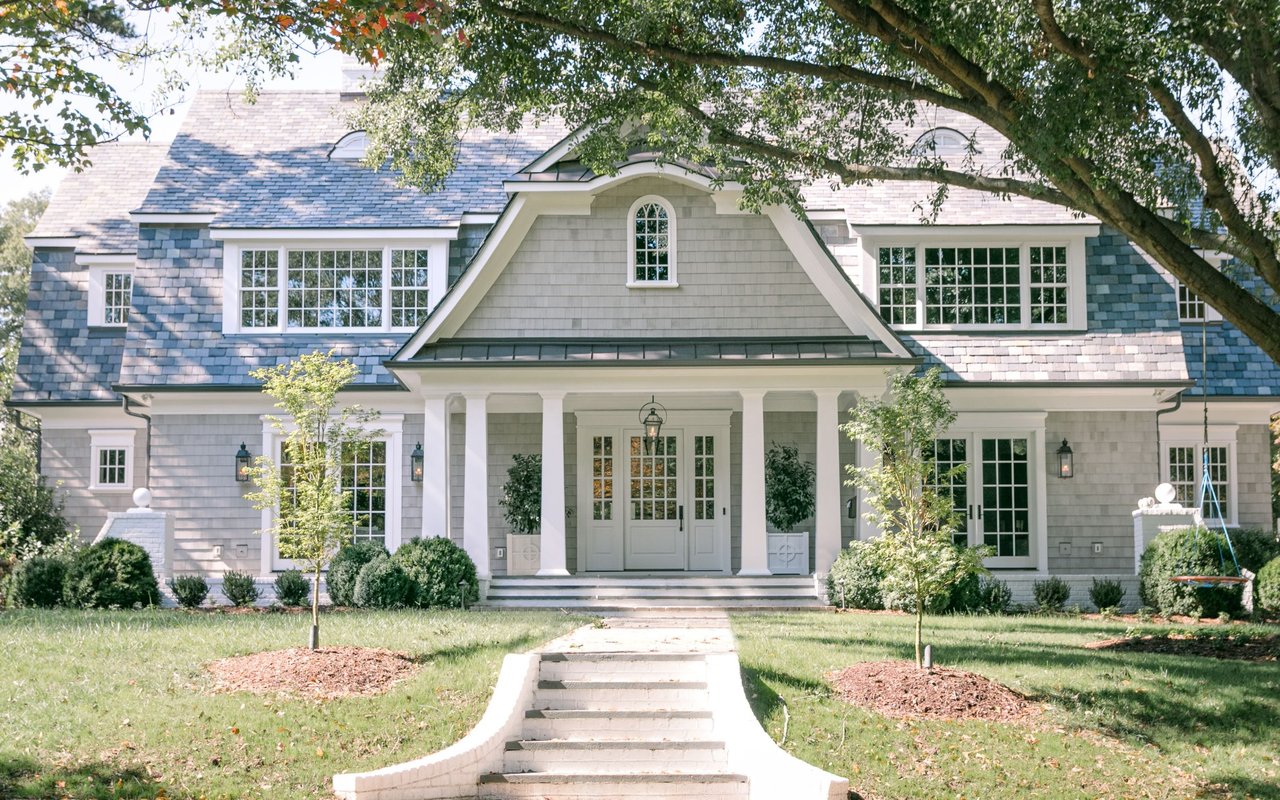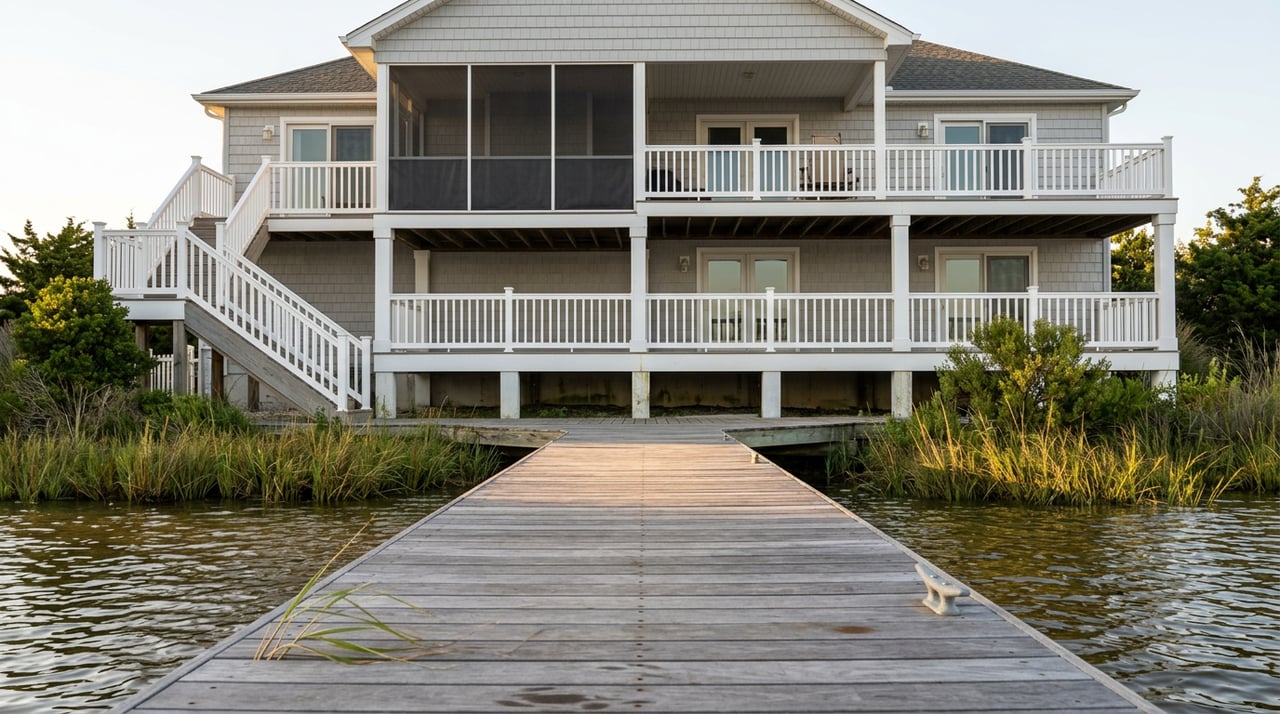
Sunset on glassy water, a private dock steps from your back deck, and calmer days than the ocean side — that is the soundfront lifestyle in Duck. If you are eyeing Currituck Sound over the Atlantic surf, you are choosing a different rhythm and a few unique rules. In this guide, you will learn what makes soundfront ownership special, what limits to expect, how docks and permits work, and which flood, insurance, and septic details you should verify before you offer. Let’s dive in.
Why choose soundfront in Duck
Duck sits on a narrow stretch of the northern Outer Banks, with the Atlantic to the east and Currituck Sound to the west. Soundfront homes usually face west, so you get evening sunsets and quieter water. The town’s walkable center and the waterfront boardwalk frame daily life around the sound.
You trade direct surf access for a calm shoreline that fits kayaking, paddleboarding, crabbing, and small skiffs. The town’s public boardwalk and Town Park offer a launch for non-motorized craft, a crabbing and fishing platform, and short-term public slips with clear tie-up rules, which can help you and your guests enjoy the water even when your dock is full. Review amenities and rules in the official Town Park boardwalk and amenities brochure.
Boating and water access
Currituck Sound is shallow. Multiple government studies describe average depths around 3.6 to 5 feet, with more than 80 percent under about 7 feet and deeper water limited to narrow channels. That matters for boat choice and dock design. Shallow‑draft skiffs, flats boats, and pontoons fit better than deep‑vee cruisers, and in some areas a dock may need more length to reach navigable water. See the depth context in the state’s Mid‑Currituck planning materials that note the sound’s shallow character and limited channels.
Launching and local logistics
Inside Duck, the Town Park launch is for non-motorized craft. If you run a motorboat regularly, plan your logistics around nearby public ramps in adjacent towns. The Town also sets time and distance-from-shore limits for personal watercraft. If routine motor‑boat use is important, confirm your ramp access and seasonal rules early, so you are not surprised after closing.
Docks, permits, and shoreline rules
Duck applies an Ocean & Sound Overlay District along the shoreline to protect wetlands, views, and recreation. Within this area, filling wetlands is prohibited, and shoreline structures like piers and docks must comply with state and federal coastal permits. Start with the Town’s Ocean & Sound Overlay District provisions in the land use ordinances.
State coastal‑management standards govern technical elements such as pier width, platform square footage, floating structures, and construction near submerged aquatic vegetation. Length waterward from wetlands or mean high water is also limited. These state coastal‑management rules are why some dock designs are denied or require modifications. If a property lacks documented pier permits and as‑built drawings, treat that as a red flag and budget time to consult a marine contractor and the NC Division of Coastal Management before you assume expansion is possible.
Flood zones, elevation, and building standards
Duck adopted updated FEMA flood maps and a Flood Damage Prevention Ordinance in 2020. New construction and substantial improvements in Special Flood Hazard Areas must meet technical standards that often include pile-supported foundations, non‑habitable lowest enclosures, V‑zone certifications when applicable, and final elevation certificates prior to occupancy. Before you offer, request the property’s current Elevation Certificate and verify the FIRM panel and effective date using the Town’s FEMA flood maps and elevation certificate resources.
These details affect both safety and cost. Elevation drives flood insurance pricing, and local standards can shape where and how you enclose space. Ask whether the home has been substantially improved, and request any damage and insurance claim history.
Septic, water, and site constraints
Most Duck properties use private, on‑site septic systems. Septic location, age, capacity, and soil conditions can limit how many bedrooms you can legally claim and whether you can add space later. On soundfront lots, the drainfield’s distance from the shoreline and the presence of wetlands or living‑shoreline features often control what is possible. Confirm permits, inspections, and pump or repair records, and be ready to budget for upgrades on older systems. The Town summarizes local utility basics here: Water and septic basics for Duck properties.
Duck is served by the Dare County Water Department for domestic water. On many soundfront parcels, vegetation and marsh areas are part of the appeal, but they also guide siting for decks, pools, and accessory structures. Within the Ocean & Sound overlay, filling wetlands is prohibited and shoreline modification is restricted. Review those limits in the Town’s land use ordinances and consult the Town before you design changes.
Insurance to budget for
You will likely need two distinct policies. Flood insurance is separate from homeowners coverage, and lenders will require it for homes in Special Flood Hazard Areas. Elevation, flood zone, and any grandfathering status affect the premium. Start by requesting the seller’s current policy declarations and quotes. The Town’s flood info page can help you confirm map status and find elevation records.
Wind and hail coverage is separate from flood. Along the coast, many owners use the state’s residual market through the North Carolina coastal wind pool, often called the Beach Plan. Deductibles and eligibility vary by structure and location, so ask for written quotes early.
Mitigation can reduce risk and sometimes premium costs. Fortified roofs, upgraded roof-to-wall connections, and protected openings are common examples. Recent program announcements highlight mitigation programs and roof‑strengthening incentives. Ask what has already been installed and whether credits apply.
Rental and tax considerations
Duck is a high‑value second‑home market with strong seasonal demand. Peak summer weeks generally drive the bulk of annual revenue, and oceanfront homes often command the highest rates due to direct surf access. That said, soundfront properties perform well with guests who prioritize sunsets, calmer water, and on‑site dock access. If rental income is part of your plan, request the property’s full rental history, including weeks rented and seasonal rates.
North Carolina requires that short‑term rental hosts collect and remit state sales tax and the applicable local occupancy tax. Dare County’s occupancy tax is commonly reported at 6 percent within the statewide framework. You should confirm registration and remittance procedures using a reliable Dare County occupancy tax overview and ensure your agreements comply with the North Carolina Vacation Rental Act.
What to ask on every tour
Use this quick checklist to surface cost and livability issues early.
Flood and elevation
- What is the FEMA flood zone for the lot and the structure, and what are the current FIRM panel IDs?
- Do you have a current Elevation Certificate and any V‑zone certifications?
- Has the home had flood damage or major flood‑related repairs?
Insurance and costs
- What are the last 12 months of flood and wind/hail premiums and which carrier provides each?
- Are there mitigation features like fortified roofing, opening protection, or upgraded tie‑downs, and do they earn credits?
Dock and water access
- Is there a private dock and are there recorded CAMA and USACE permits with as‑built drawings?
- What is the water depth at the dock at low tide, and where is the navigable channel?
Utilities and septic
- Is the house connected to Dare County water and are there any outstanding balances?
- Is the septic system permitted and inspected, where is the drainfield, how old is it, and when was it last pumped?
Land use and shoreline
- Are there living‑shoreline or erosion‑control structures and do they have permits?
- Do HOA covenants restrict docks, rentals, or exterior changes?
Rental operations
- Provide the last two to three years of rental calendars, rates, gross revenue by season, and the management agreement if applicable.
Materials and maintenance
- What materials and coatings were used for decks, rails, and fasteners, and where are mechanicals located relative to predicted flood levels?
Emergency and access
- What is the property’s typical storm‑prep plan and evacuation route, and how does this affect rental turnovers?
Your pre‑offer due‑diligence plan
Do these items before you finalize price or terms.
- Confirm map status and elevation. Request the Elevation Certificate and verify the FIRM panel and effective date using the Town’s flood maps and elevation resources.
- Get insurance quotes in writing. Ask for property‑specific flood and wind/hail quotes based on the home’s features and elevation.
- Vet the septic system. Order a septic inspection, confirm permit history, and map the drainfield using the Town’s water and septic guidance.
- Verify pier permits. Ask for CAMA, USACE, and local approvals and as‑builts. If missing, consult a marine contractor and the Town’s land use ordinance on shoreline structures.
- Model rental performance. Collect rental comps, rates, and occupancy curves from a local manager or paid data provider. Confirm your tax collection and remittance plan using the county occupancy tax overview and your compliance plan under the Vacation Rental Act.
Bottom line
Buying soundfront in Duck can give you sunsets, calm water time, and a quieter shoreline experience. Success comes from knowing the limits that protect this environment: shallow water that shapes boat choice, dock designs that follow CAMA standards, flood and elevation requirements that guide construction and insurance, and septic and shoreline rules that determine what you can add later. If you plan to rent, pair lifestyle goals with a clear tax and operations plan.
You do not have to figure this out alone. Our team brings decades of northern OBX experience, hands‑on support for remote buyers, and rental‑smart advice for second homes and investment properties. If you want a clear, step‑by‑step plan for your Duck soundfront search — from virtual tours to dock permits to insurance quotes — reach out to Corolla Real Estate.
FAQs
What types of boats work on Currituck Sound near Duck?
- Shallow‑draft skiffs, flats boats, and pontoons typically work best because much of the sound is only a few feet deep, with deeper water limited to channels.
Can I build or extend a private dock on a Duck soundfront lot?
- Maybe, but design and length are limited by state coastal‑management rules and the Town’s overlay district. Most projects need CAMA and often federal approvals.
Do I need flood insurance for a Duck soundfront home?
- If the property sits in a Special Flood Hazard Area and you have a loan, your lender will require flood insurance. Elevation and zone drive pricing, so get quotes early.
How are septic systems handled for soundfront homes in Duck?
- Most homes use on‑site septic. Capacity, age, soil conditions, and drainfield location near the shoreline affect bedroom count and expansion options, so inspect and verify permits.
If I plan to rent my Duck soundfront home, what taxes apply?
- Expect to collect and remit state sales tax plus the county’s occupancy tax. Also ensure your rental agreements and operations comply with North Carolina’s Vacation Rental Act.